Report urges Winnipeg to set up emergency service to respond to wellness calls
Posted July 28, 2026 1:30 pm.
Last Updated July 28, 2026 6:32 pm.
Winnipeg should develop a new emergency service line dedicated to responding to mental-health crises, a new report is recommending.
The independent report, commissioned by Mayor Scott Gillingham last year, suggests a mental health and addictions crisis response model could divert more than 10,000 calls each year to experts in the field.
Currently, police, fire and paramedic members are the only options available to respond to wellness calls when someone calls 911.
“If we keep responding the same way we have been responding, we’re going to keep getting the same results,” Mayor Gillingham said.
The proposed model would see the city work with Indigenous organizations, community agencies, health-care providers and emergency services to determine who is best suited to respond.
Gillingham says it would help people while allowing emergency responders to focus on urgent calls that require their specialized skills. Police, firefighters and paramedics would continue responding to emergencies involving violence, crime, medical emergencies or immediate safety risks.
“This is not about standing up an entirely new city or provincial department that’s going to be hundreds of millions of dollars,” the mayor said. “We have great resources in our community now in our community-based organizations. Let’s build bridges to them, let’s maximize them and let’s make them available more so to respond to some of the appropriate calls in people’s crises.”
“We want to leverage the organizations that exist that are doing the work for so many reasons, including, like we said, the relationships, the structures and the teams, the resources, the capacity that may exist out there,” added Dr. Maria Cotroneo of Pensa Consulting Inc.
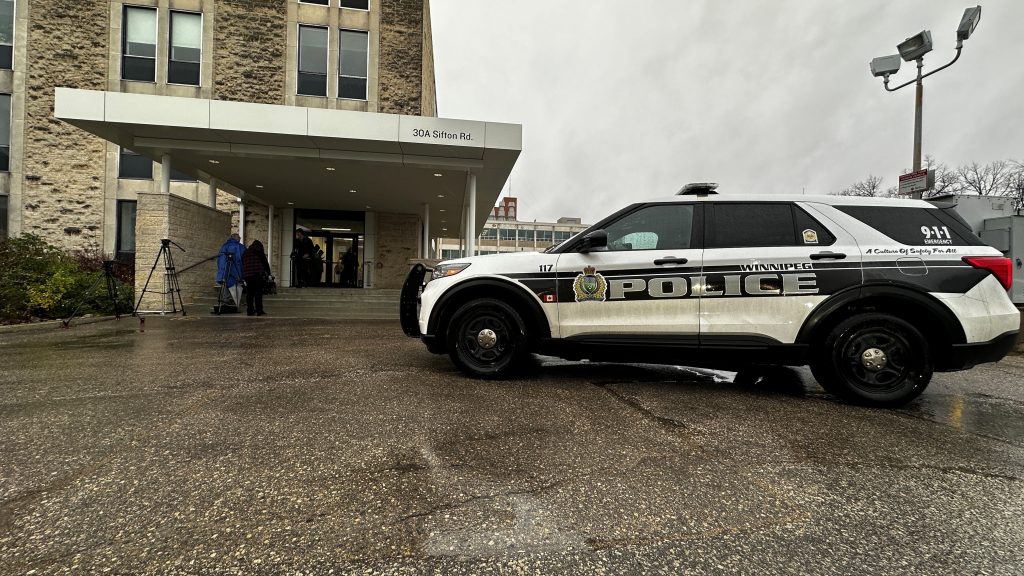
Winnipeg police Chief Gene Bowers says officers have become the default response because they’re often the only service available. He says responding to mental-health calls can sometimes keep officers at hospitals for hours, limiting their ability to respond elsewhere.
“We just had a very violent weekend,” the WPS chief said. “The frustration that they can’t be out there doing the work that they’re trained to keep our city safe. So, I think moving ahead, this coordination will help eventually, as it goes on, will help us be more available to the public for the policing aspect.”
Gillingham said he plans to ask city council to endorse the report’s recommendations in September, and says support from the Manitoba government is also needed.
Officials say there’s still no final budget, launch date or timeline for the proposed model.
–With files from The Canadian Press