Economists see encouraging signs in June inflation report beyond gas price break
Posted July 20, 2026 3:00 am.
Last Updated July 20, 2026 11:46 am.
Lower gas prices were the major force pulling the headline inflation rate down in June but economists weighing on the latest price data Monday found even more encouraging signs under the hood of Statistics Canada’s report.
Inflation slowed to 2.8 per cent in June, StatCan said, down from the recent high of 3.2 per cent in May and a tick lower than most economists were expecting.
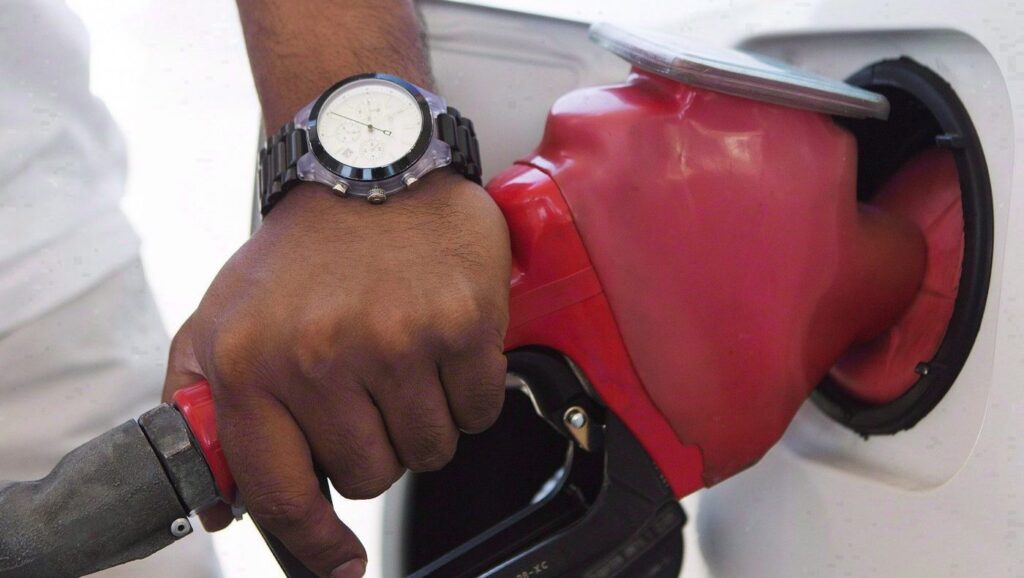
The agency pointed to a 10 per cent drop in the cost of gasoline month-over-month to explain the decline.
Gas prices surged over the spring mostly because of conflict in the Middle East, but a tentative peace agreement between the United States and Iran took pressure off global oil prices over the course of June.
Some consumers might view easing in the headline inflation rate as old news because renewed hostilities between the nations have pushed prices at the pump higher again in recent weeks.
“Energy prices (were) still significantly higher than a year ago in June and have moved higher since with tensions re-escalating in the Middle East,” said RBC assistant chief economist Nathan Janzen.
Taking gas prices out of the equation, StatCan said inflation was unchanged from May at 2.2 per cent.
The Bank of Canada has kept its benchmark interest rate on hold all year as it waits to see whether the energy price spike from the Iran war is filtering into other parts of the consumer basket.
StatCan data show the average of the central bank’s preferred metrics of core inflation eased alongside the headline rate in June and fell below the two per cent target for the first time since December 2020.
Janzen said monthly inflation data can be volatile but that dip is “meaningful.” He said the June inflation data reinforces what the central bank said at its rate decision last week — any spillover from higher gas prices is so far limited.
TD Bank senior economist Leslie Preston said in a note to clients Monday that rising gas prices in July means the June drop likely won’t be repeated, but she still thinks inflation has peaked for 2026.
Preston said inflation in Canada is “benign” right now. It’s clear that weak demand in the economy is weighing on inflation and holding businesses back from raising prices, she said.
“June’s inflation report reinforces our view that the Bank of Canada can remain on the sidelines for quite some time,” Preston said.
Price hikes at the grocery store also eased to 3.9 per cent in June, down from 4.3 per cent in May.
Consumers saw prices for fresh fruit rise at a slower pace in June, driven by lower costs for grapes, StatCan said. But price hikes accelerated for fresh or frozen chicken, some bakery goods and items from the freezer section, offsetting those slowdowns.
FIFA World Cup games in Toronto and Vancouver, meanwhile, saw costs for travel-related services like accommodation and rental cars surge in June. The cost of traveller accommodation was up around 20 per cent year-over-year in Ontario and British Columbia last month.
Air transportation costs also jumped 9.6 per cent annually, marking the biggest increase in more than three years. StatCan said higher jet fuel costs and stronger demand for domestic travel drove the increase.
Ali Jaffery, chief economist at KPMG, said in a note he expects headline inflation to hang around three per cent for a while longer, as June’s break at the gas pumps offered only a “temporary reprieve.”
He said there was “considerable softness” across the rest of the consumer basket, outside the World Cup kicking up travel services prices.
“The Bank of Canada can live with that as long as inflation expectations remain manageable, which we expect they will as businesses absorb most of the cost increases given slack conditions in the economy right now,” Jaffery said.
Janzen said that despite the positive news on the inflation front, prices are still elevated, particularly at the gas pumps and the grocery store.
The silver lining is that with underlying inflation still running cool, the Bank of Canada doesn’t need to act to slow the economy with rate hikes.
“Not a lot of consolation if you’re at the gas station filling up your car, but it does let the Bank of Canada be more patient in terms of not needing to add to those costs with higher interest rates,” Janzen said.
He noted there are signs elsewhere in the economy that a recovery is underway: the unemployment rate has dipped lower and economic activity is growing again. But that doesn’t mean the economy is strong, by any means.
RBC expects the Bank of Canada’s next change in interest rates won’t come until growth starts to pick up sometime in 2027. Even then, Janzen said a few hikes would only serve to normalize the central bank’s policy rate, raising it to a level where it’s neither supporting nor stifling growth.
Financial market odds for another interest rate hold from the Bank of Canada at its next decision on Sept. 2 stood at more than 90 per cent as of Monday at noon, according to LSEG Data & Analytics.