Debate growing over Bill C-21 and Red River Métis self-government
Posted April 28, 2026 7:49 pm.
Debate is growing over a federal bill that would recognize Red River Métis self-government, with First Nations leaders in Manitoba raising concerns about how it could impact treaty rights and jurisdiction.
Bill C-21 would allow for a self-government treaty between Canada and the Manitoba Métis Federation, recognizing the Red River Métis’ right to govern their own internal affairs. But at a press conference Tuesday, the Assembly of Manitoba Chiefs said the bill is moving forward without properly addressing First Nations’ concerns around treaty rights, jurisdiction, and consultation.
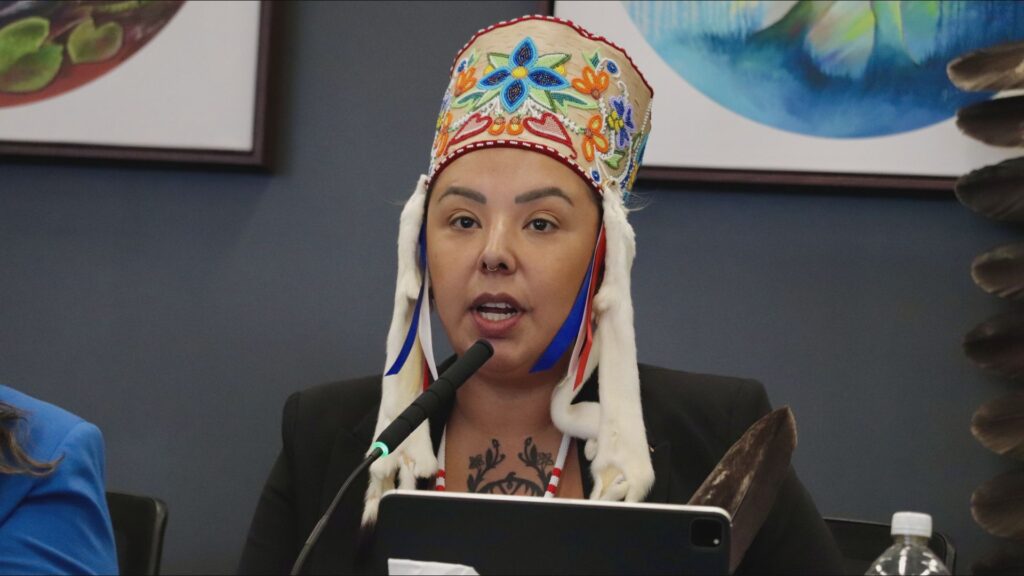
“First Nation treaties in this country have not been fully implemented. We sent correspondence to Canada asking for a table where we can talk about the implementation of the treaty, which has not occurred, so how can they sign onto new treaties if they have not fully honoured or implemented current treaties with First Nations in the country,” said AMC Grand Chief Kyra Wilson.
AMC claims First Nations have raised concerns about this process for years, including whether there are clear safeguards around overlap with First Nations lands and territories. Leaders also took issue with the federal consultation process, saying First Nations were given a limited window to respond to the draft treaty.
“I know there are some leadership that did respond to that consultation process, Canada believes is enough, and they were not in support of that bill, and there still pushing through this bill, which is in second reading, that is not okay,” said Grand Chief Wilson.
In a statement to CityNews, Crown-Indigenous Relations and Northern Affairs Canada says Bill C-21 is about governance and only applies to the Red River Métis and their internal affairs. The statement reads in part, “It does not create or alter land, resource, or harvesting rights. The Treaty does not affect First Nations’ Aboriginal or Treaty rights.”
The federal government also says consultation took place between August 2023 and October 2024, and that all 63 First Nations in Manitoba were offered the chance to meet with officials or provide written concerns.
“It is unfortunate seeing what the First Nations said today, we as the Métis need their approval for us to have rights and govern,” said David Chartrand, the President of the Manitoba Métis Federation
Meanwhile, the Manitoba Métis Federation strongly rejects the concerns raised, saying Métis rights are already protected under Section 35 and that the bill is about self-government, not land or treaty rights.
“Let’s be clear, read the treaty. A Grade 8 student could read this. It will tell you it does not infringe on rights, not about land, and it’s not about hinting at rights,” said Chartrand.
While First Nations leaders say they want the bill paused until concerns are addressed, Chartrand says MMF remains open to discussion, but not to the idea that First Nations approval is required for Métis self-government.
“They have the right to choose their destiny, and so do we; let us choose our own. You go down your road, I will go down my road, but let’s come together somewhere and coexist because it’s up to us to save something for the next generation,” said Chartrand.
While Grand Chief Wilson said, “We will continue to stand firm on the protection of our First Nation’s inherent and treaty rights, so whatever that means or takes, we will continue to fight for that.”
The federal government says the next debate on Bill C-21 has not yet been scheduled.