‘No doctor’s notes’: Manitoba testing mandatory gym class pilot program on K-12 students
Posted August 27, 2026 2:07 pm.
The Manitoba government wants to make in-person physical education mandatory for students from kindergarten to Grade 12.
It’s part of a two-year pilot program for a new health and physical education curriculum in the province.
Twenty-five schools in Winnipeg, Brandon, and rural and northern Manitoba will participate in the pilot. More are expected to join throughout the voluntary period.
“This is all about getting every kid moving every day,” said Premier Wab Kinew. “We want kids in Manitoba to be healthy, confident and happy as they learn and grow, and that starts at school.
“This new ‘Every Body, Every Day’ policy will have a lasting impact on the health of Manitobans, and it will help our kids get off their screens and move their bodies, whether they are achieving a new personal best or simply reaching a daily step count and getting some fresh air.”
Kinew says Manitoba leads the way in too many negative categories when it comes to health, including juvenile diabetes and child mortality.
The new curriculum being piloted aims to teach children about the benefits of exercise and nutrition, and what that can mean for preventing illness later in life.
“From kindergarten right through Grade 12, every single student in Manitoba will have to do gym class in person. No doctor’s notes,” said the premier.
It will be up to educators to address barriers to fitness.
“This curriculum, it really does create opportunities to access different types of activities,” said Alyson Gysel, co-president of Physical Health Educators of Manitoba. “When we look at all curricula, there’s never necessarily a thing that it says you should do. So, sport is a great example of a tool for physical or health education, but it’s not the tool that meets every outcome or works for every kid.”
Some examples of accommodations that Premier Kinew gave would be to allow students who refuse to wear gym clothes participate in their normal school clothes, or allow athletes to engage in light activity so they’re not exhausted for their extracurricular sports.
“Some kids, maybe we have to make gym more flexible and more attractive, but you still need to do it in person,” Kinew said.


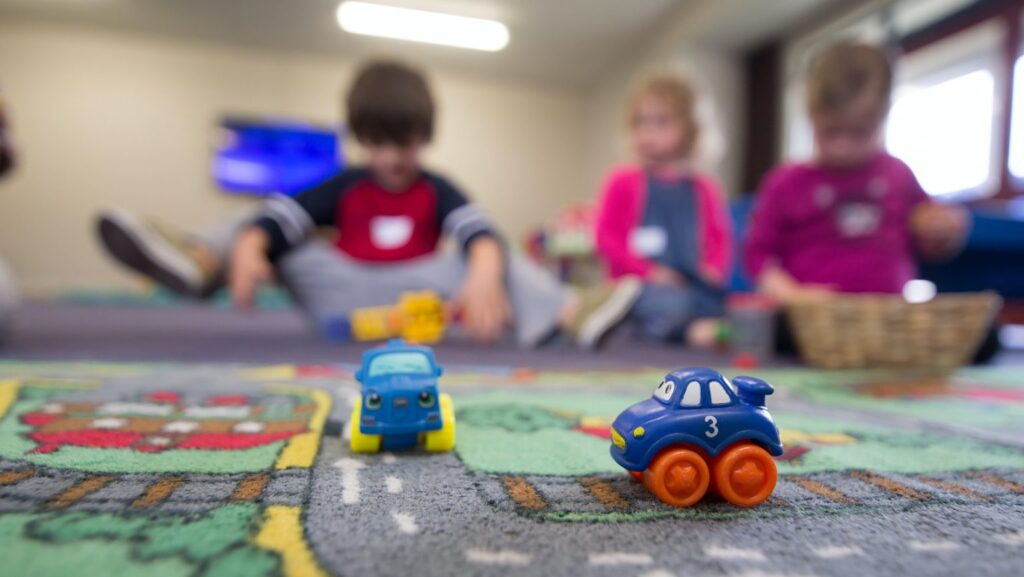
The curriculum also includes lessons on basic cooking skills for junior high and high school students, as well as “learning outcomes” focused on various challenges like the mental-health impacts of social media to the risks associated with e-scooters.
“This is an important update and one that can change health outcomes in our province,” said Dr. Brent Roussin, Manitoba’s chief public health officer.
During the pilot, teachers and parents will be able to provide feedback.
The new curriculum will be fully rolled out for the 2028-29 school year.