How Canada’s only F5 tornado has changed alert systems nearly 20 years later
Posted June 10, 2026 5:30 pm.
Last Updated June 10, 2026 8:12 pm.
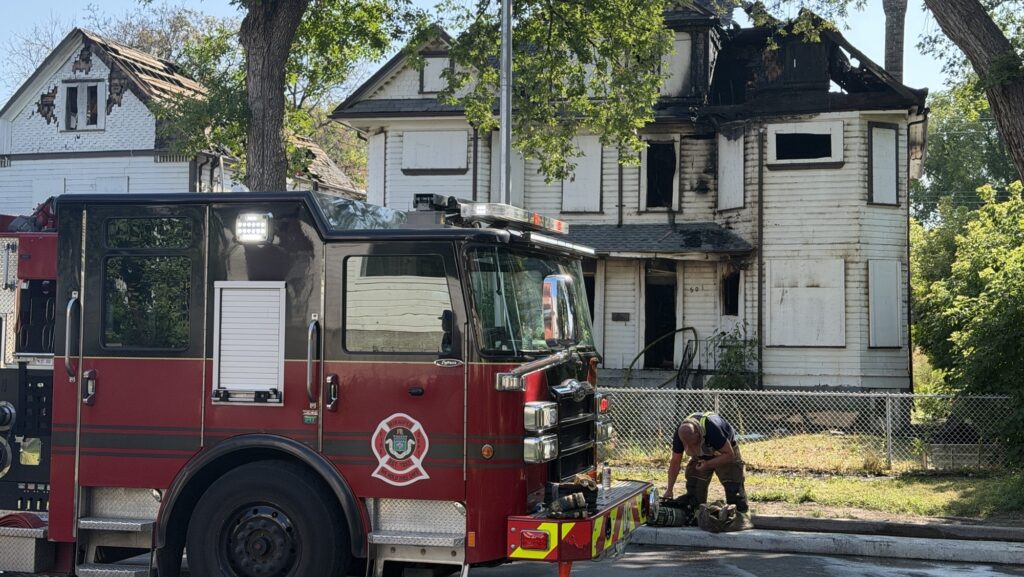
From tornado warnings stretching across southern Manitoba to emergency alerts lighting up cell phones throughout the day, severe weather has once again taken centre stage across the province.
While crews continue to assess damage from the latest round of storms, many Manitobans are being reminded of another tornado season nearly two decades ago — one that produced Canada’s only officially recorded F5 tornado and forever changed how communities like Elie prepare for severe weather.
Tuesday’s storms brought tornado warnings, hail, heavy rain and power outages across Manitoba and Saskatchewan. It follows several confirmed tornadoes already reported in Manitoba this season, and while most tornadoes in the province don’t make history, one storm nearly 19 years ago still stands apart.
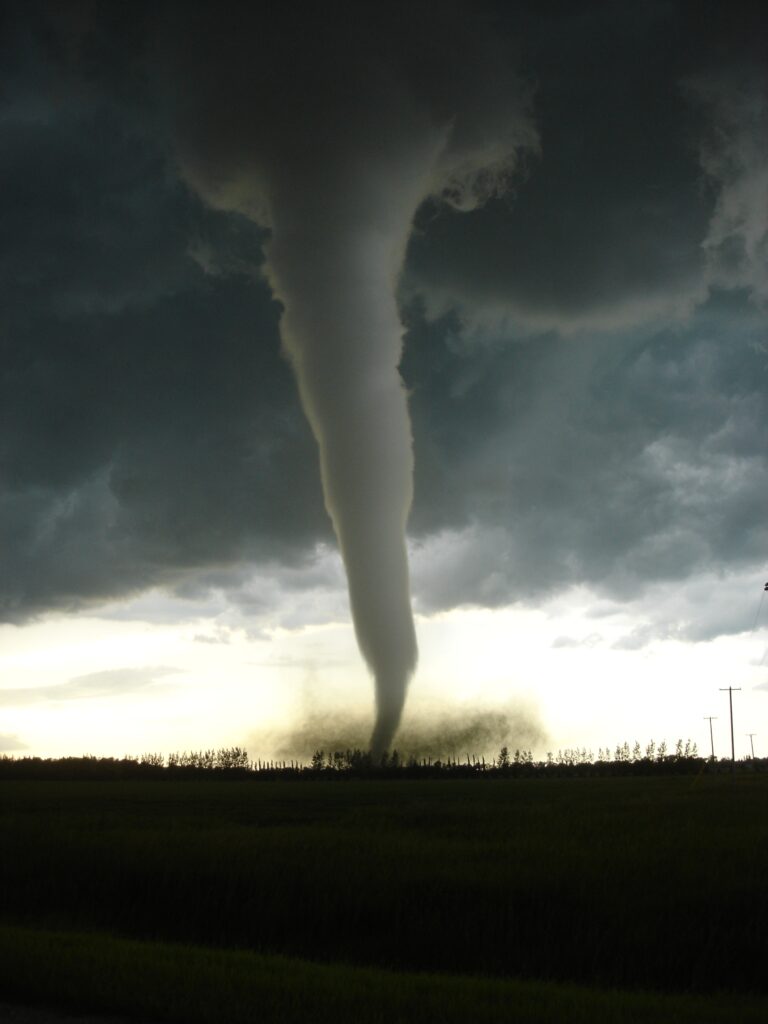
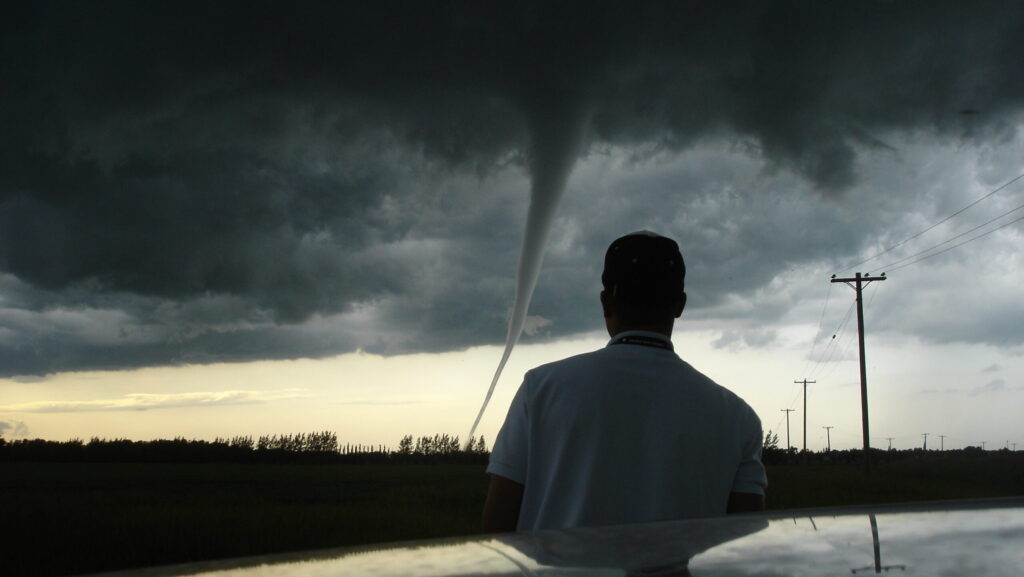
“Witnessing it for over a half-hour timeframe was quite remarkable,” said Justin Hobson, a retired storm chaser.
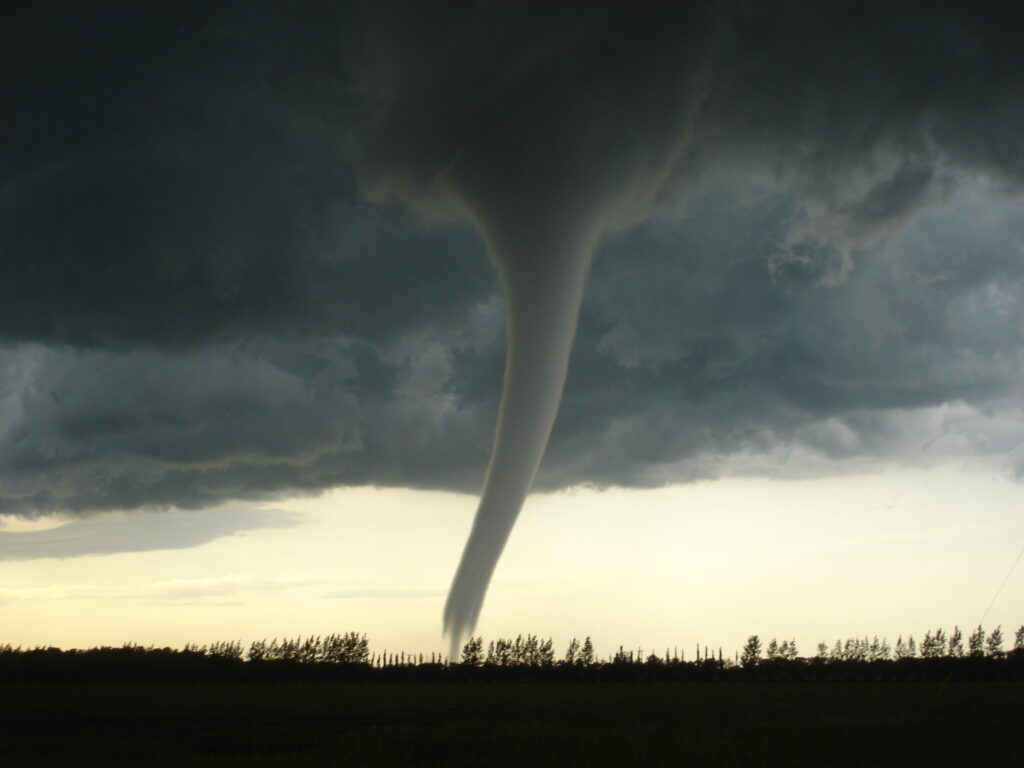
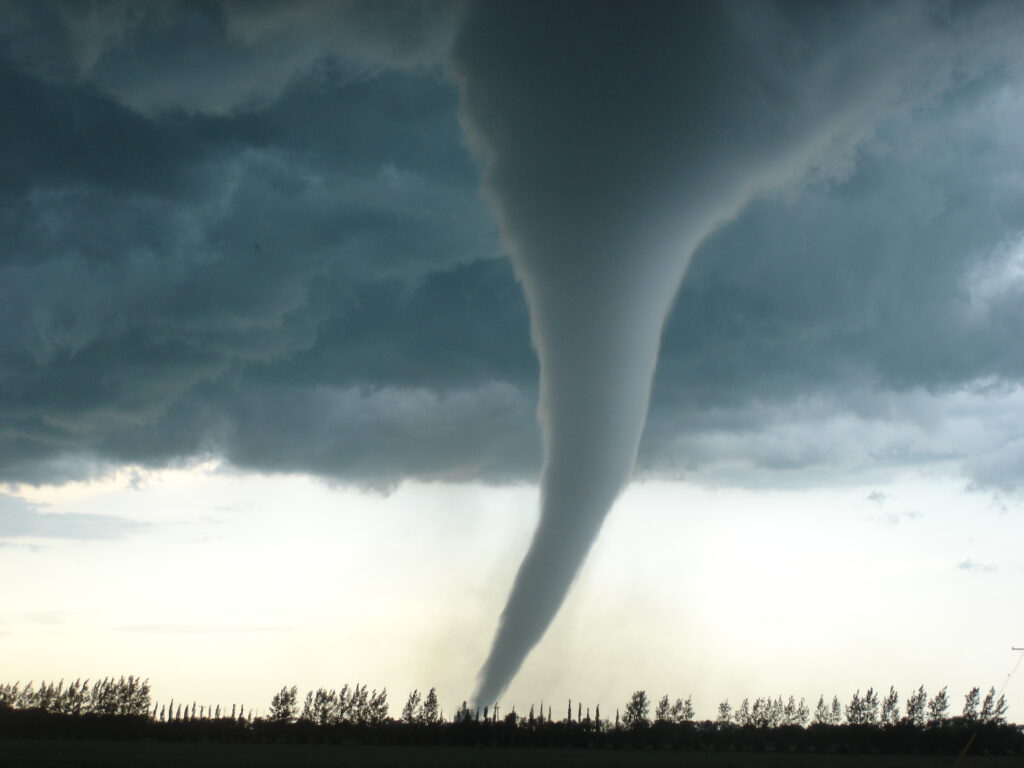
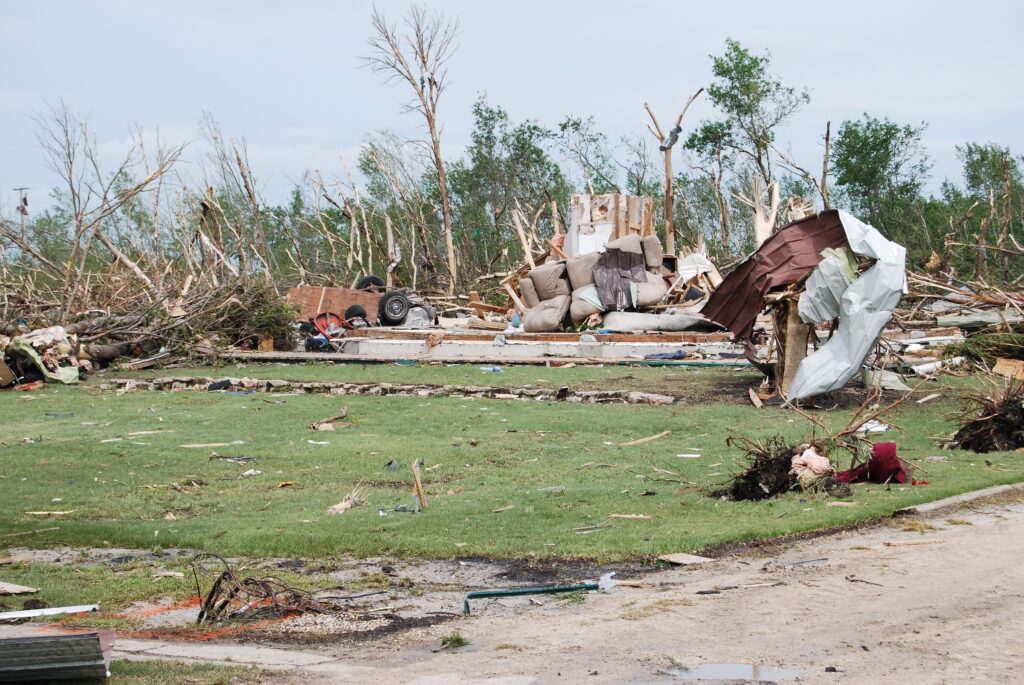
Hobson watched as a small funnel grew into Canada’s only officially rated F5 tornado. He says the tornado moved slowly, at times appearing to hover, before eventually making its way to Elie, where homes were destroyed, vehicles tossed, and debris was scattered across the community. Despite its strength, no one was killed.
“Compared to other F5s you see in the United States, the big wedge tornado, it wasn’t that, but it was a high visibility, higher base tornado that everyone that was driving that day west on the Trans Canada East. It was slow-moving, very photogenic. I have seen tornadoes since then, and it’s still the most photogenic tornado I’ve ever seen,” said Hobson.
Krista Van Mitchell, the Reeve of Cartier, said, “You could see insulation. You could see two-by-fours in the sky. Your heart just dropped, and you just thought, Oh my God, I hope everybody’s okay.”
For those in Elie, the storm left behind destruction, but also a community determined to rebuild; however, there is one major difference between 2007 and today — how people are warned. When the Elie tornado touched down, there were no emergency alerts sent to residents.
“We begged Environment Canada for some kind of alert system. We’re seeing it now, more rampant, 19 years later. It’s taken this long. And I understand they can’t just pinpoint an area. They have to alert everyone. And I’d rather, you know, people will say, oh, I got an alert, and nothing happened. Well, you know what? At least they tried their best. They tried to alert you that something may happen,” said Mitchell.
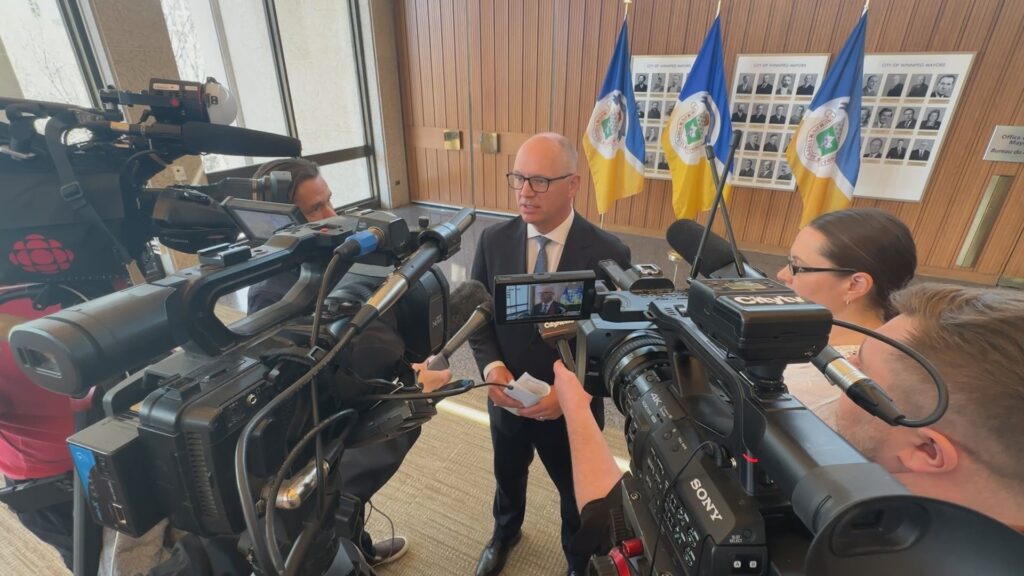
Justin Oertel, the founder of the Weather Centre of Manitoba, said, “We need to warn people, but we also have to be careful with how much we’re warning and the area that we’re warning. I think this summer, Environment Canada was supposed to be going to polygon warnings, which is what the U.S. does. So, it’s based on the exact storm, not necessarily your RM, because our RMs in Manitoba are so big. But that has been moved back.”
Nearly 19 years later, emergency alerts are now a regular part of severe weather coverage. Phones across Manitoba lit up again this week as forecasters tracked dangerous storms, but questions remain about how warnings are delivered and who receives them. With June only just underway, Manitoba’s severe weather season is far from over.
“We still got another two and a half months of our severe weather season. Really, it’s only just started. Buckle up,” said Oertel.