Manitoba projects $1.6-billion deficit, more than double the original forecast
Posted December 15, 2025 2:14 pm.
Last Updated December 15, 2025 4:56 pm.
The Manitoba government’s deficit for the current fiscal year is expected to reach $1.6 billion, more than double the $794 million estimated in the spring budget, the province’s second-quarter report released Monday showed.
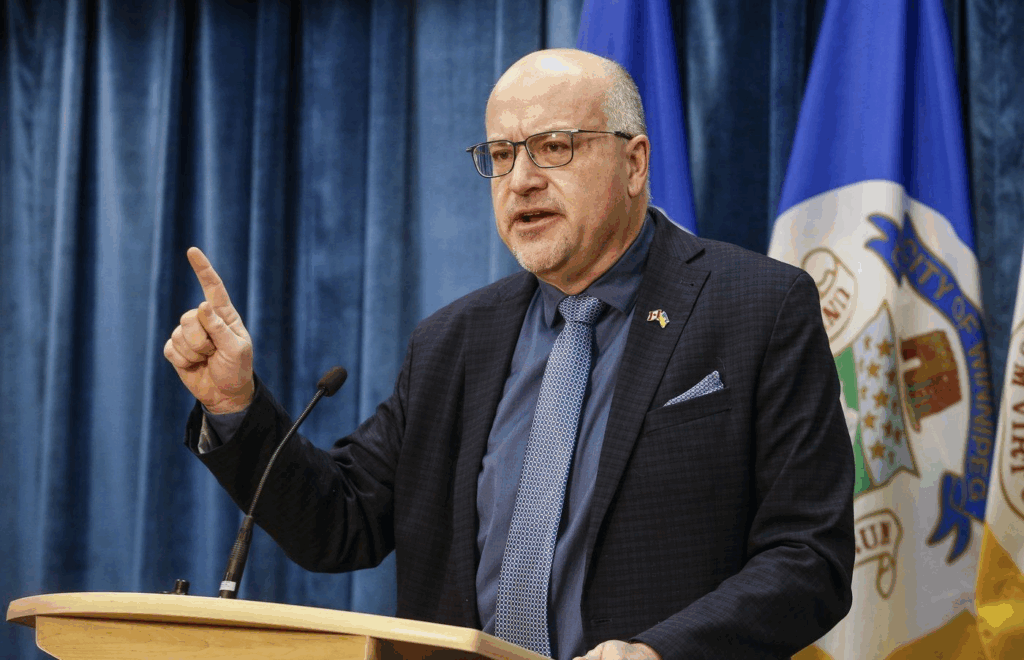
“The large increase in the deficit has been driven predominantly by two significant factors,” Finance Minister Adrien Sala said Monday.
Much of the extra red ink — about $174 million — is attributed to the extreme dry weather that led to the worst forest fire season in some 30 years and forced tens of thousand of people to leave their homes.
Crews fought wildfires across much of the province from spring through to late summer, and many evacuees were put up in hotels and large shelters.
The dry conditions also added $684 million to anticipated losses at Crown-owned Manitoba Hydro, which relies on water levels to generate electricity.
“Manitoba Hydro is reporting that water flows are tied for the second-worst year on record,” said Sala. “The $680 million revenue reduction at hydro because of the drought, plus $375 million in wildfire expenditures, you can see how those have of course created a significant in-year impact, but these are in-year, one time costs at this point, those wildfires and those droughts.”
The government would be very close to its original deficit projection if not for those two factors, Sala said. Most government departments are on or close to their budgets, the fiscal update shows.
Taxes and fees, overall, are coming in a little higher than expected. Education property taxes are now forecast to garner $1 billion for the province, up $77 million from the spring budget prediction and up 40 per cent from four years ago.
The government last year eliminated a rebate on education property taxes brought in by the former Progressive Conservative government and replaced it with a flat credit. That resulted in some primary homeowners paying less but many others, along with commercial property owners, landlords and cottage owners, paying more.
The province says that trump tariffs have also had an impact, slowing the GDP projected growth from 1.7 per cent to 1.1 per cent, and lowing income tax revenue by $175 million from the budgeted amount.
“So, in Manitoba, we’re no different, we’re seeing a slowdown as a result of that, and that is being reflected in our personal income tax numbers, so that is reflecting slower job growth,” said Sala.
Property taxes — both municipal and education — have risen sharply in Manitoba. Monthly figures from Statistics Canada on Monday said property taxes in the province rose 19.5 per cent between November of 2024 and last month. Manitoba’s overall inflation rate of 3.3 per cent was highest among the provinces.
The NDP government promised to balance the budget before the next election, slated for October 2027. Sala said that commitment remains and will be done without cutting services.
“This is not a time to cut programs or to look at making significant changes that might further risk a slowdown in the economy,” he said, referring to effects of the trade dispute with the United States. Individual income tax revenues are down as a result of lower economic growth projections.
The Opposition Progressive Conservatives said the NDP has consistently missed its budget targets since taking office in 2023, and even higher property taxes and higher incomes taxes have not helped. The government said in the spring it would no longer automatically raise income tax brackets in line with inflation, resulting in an extra $82 million in revenue annually.
“They have no plan to balance the budget other than continuing saying they’re going to balance the budget,” said Tory Leader Obby Khan.
-With files from the Canadian Press