Former Portage La Prairie residential school designated as historic site
Posted August 14, 2025 5:53 pm.
Last Updated August 14, 2025 6:54 pm.
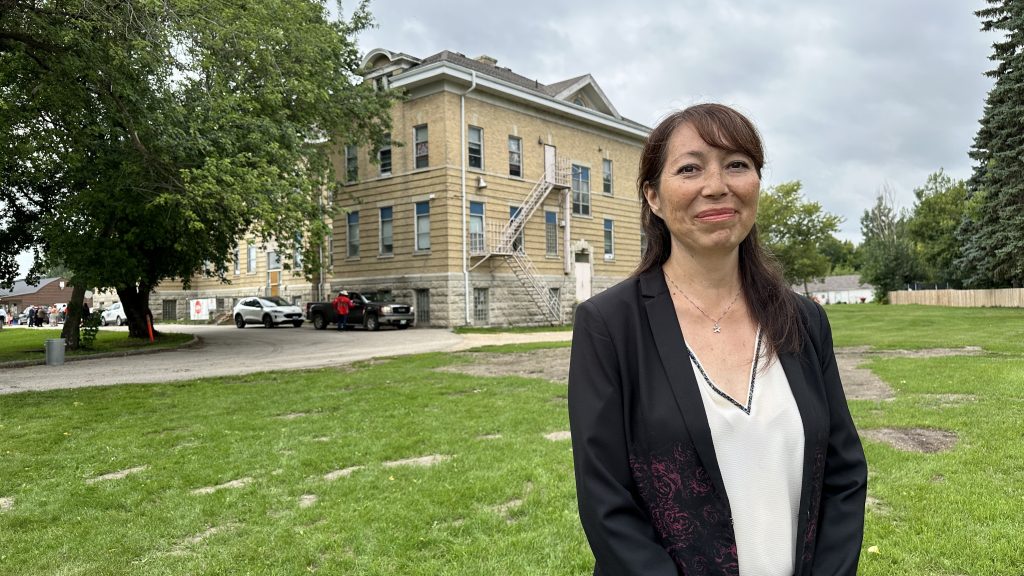
The site of a former Portage La Prairie Indian residential school is now the National Indigenous Residential School Museum.
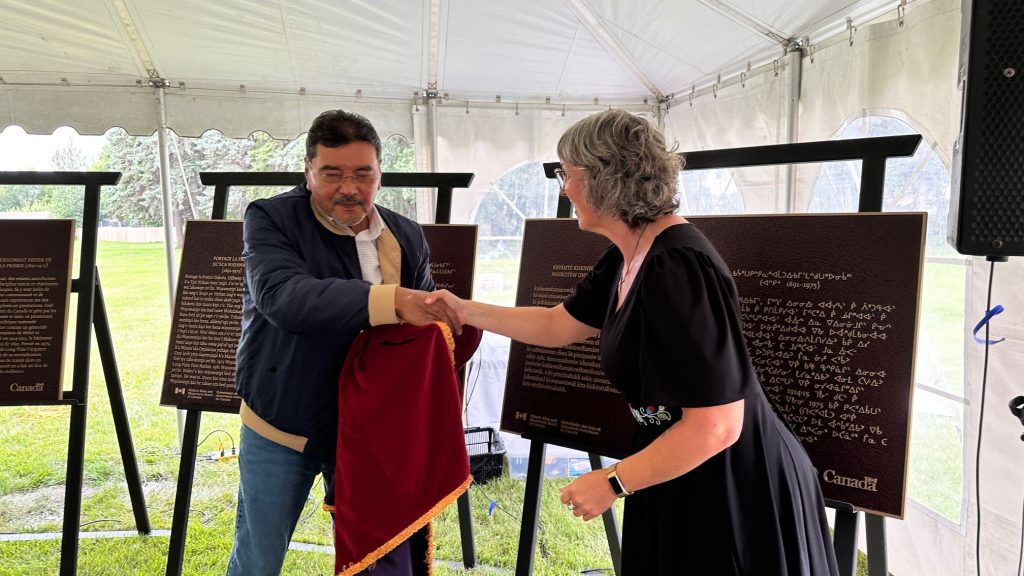
Thursday morning, Long Plain First Nation, alongside the Canadian government and other nations in Treaty 1, honoured the former school’s historic significance by the unveiling of three plaques – among the first of its kind in Canada.
“Historic sites and monuments or plaques are meant to be shared with Canadians now but long into the future, and so that story will be there for all of us,” said Nadine Spence, the vice-president of Indigenous stewardship and cultural heritage at Parks Canada.
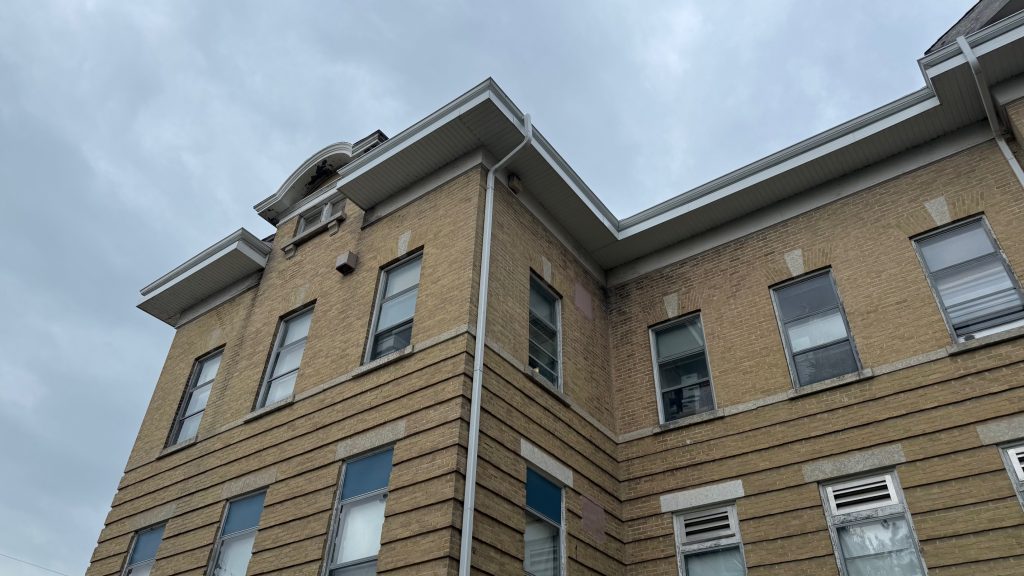
Residential School survivors, Canadian dignitaries and community members gathered on the grounds of the national museum, to designate it a national historic site and pay tribute to the people whose lives were impacted by the former school.
RELATED: ‘Anomalies’ found at former residential school on First Nation west of Winnipeg: chief
“This is something I’m learning about, like so many Canadians, because it’s not a history that we were taught,” said Ginette Lavack, the MP for St. Boniface—St. Vital.
“When we think about what the Indian residential school system was there to do, was to assimilate First Nations children and to try to wipe out their culture, their language. To see and hear it alive and well today is so heartwarming and it really touched me.”
Three plaques were unveiled, to be displayed on the east side of the grounds. The history of the school is depicted in the languages of French, English and Dakota, as well as two different scripts for Anishinaabemowin and Nêhiyawêwin.
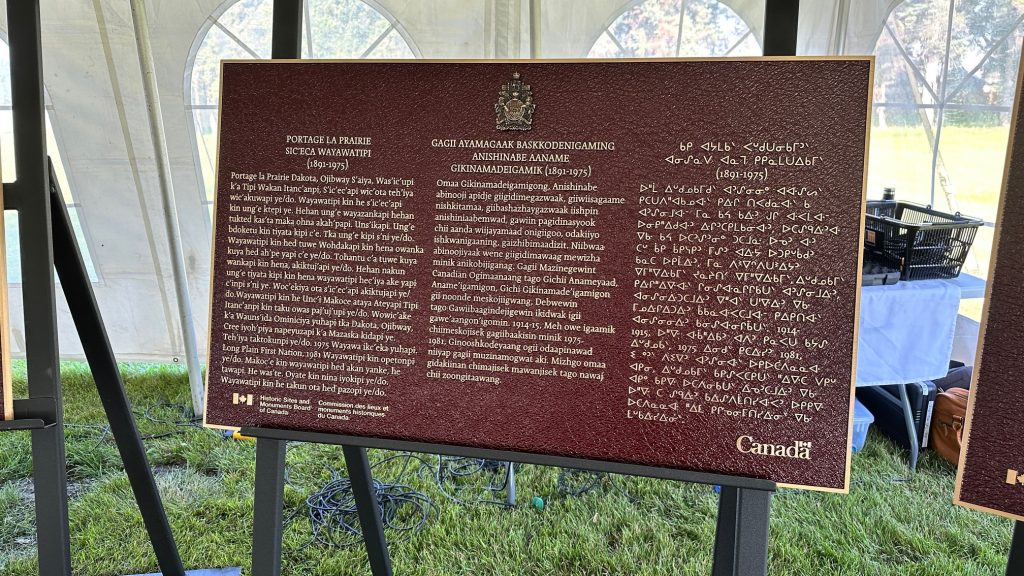
“This particular plaque that’s in multiple Indigenous languages is really something special,” said Spence, who is from Ahousaht First Nation and who has many family members who went to residential schools themselves.
“This is important because it was a part of the colonial policy to take away Indigenous languages.”
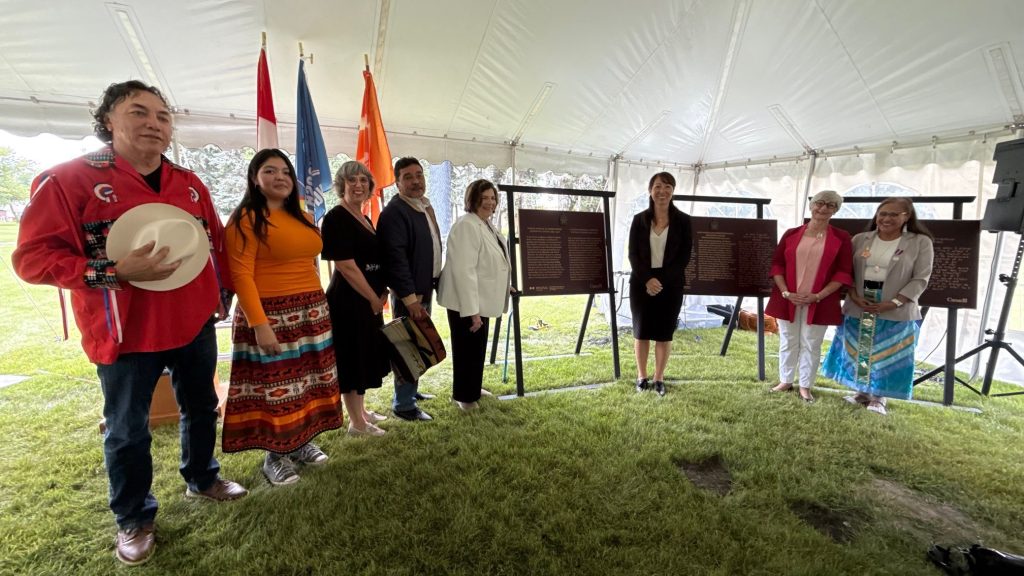
Lorraine Daniels, the museum’s executive director, says survivors and their legacies will be celebrated on the grounds.
“It’s regaining everything that we almost lost through the residential school system, so that’s celebrating life as First Nations people,” she said.
“This is a step towards reconciliation, being inclusive to the First Nations of Canada.”
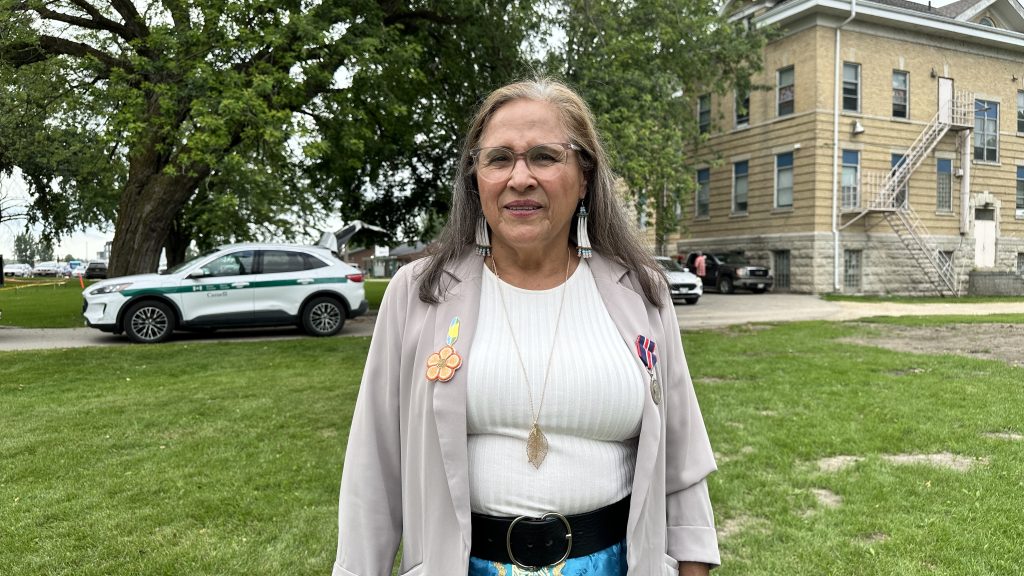
For Long Plain First Nation Chief David Meeches, the commemoration of the museum, which lives on the land of his nation, comes at a significant time; this year also marks 50 years of the school’s closure.
“I think it’s important because this is not gonna go away,” said Chief Meeches. “This is gonna be talked about forever, and I think it’s important to educate the younger generations.
“This building is not necessarily, by the younger generation, viewed in a harmful way but more as a symbol of defiance. And a place of healing now. We can talk about those things that affected our generations.”
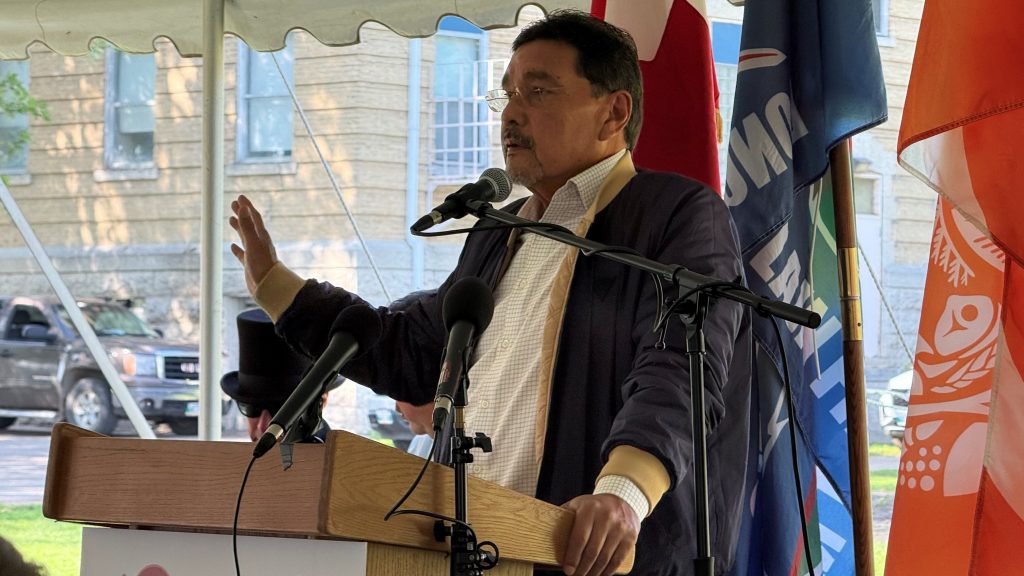
“It’s going to continue on to educate the public, the generations to come will learn,” added Daniels.
Spence says having the community’s input, not only of the languages on the plaques, but the wording used within the history’s telling, was special.
“Hearing the way in which the work was done, reflected respectfully an approach that was meaningful to them, is one step in a healing journey,” said Spence.
Added Chief Meeches: “I ask you to stay strong and to find those things, such as talking about how you are affected, whether you were done so directly or indirectly, to continue to talk and to continue to heal.”