CityNews Connect: Manito Ahbee’s 20th anniversary celebrates Indigenous artistry, excellence
Posted June 4, 2025 12:58 pm.
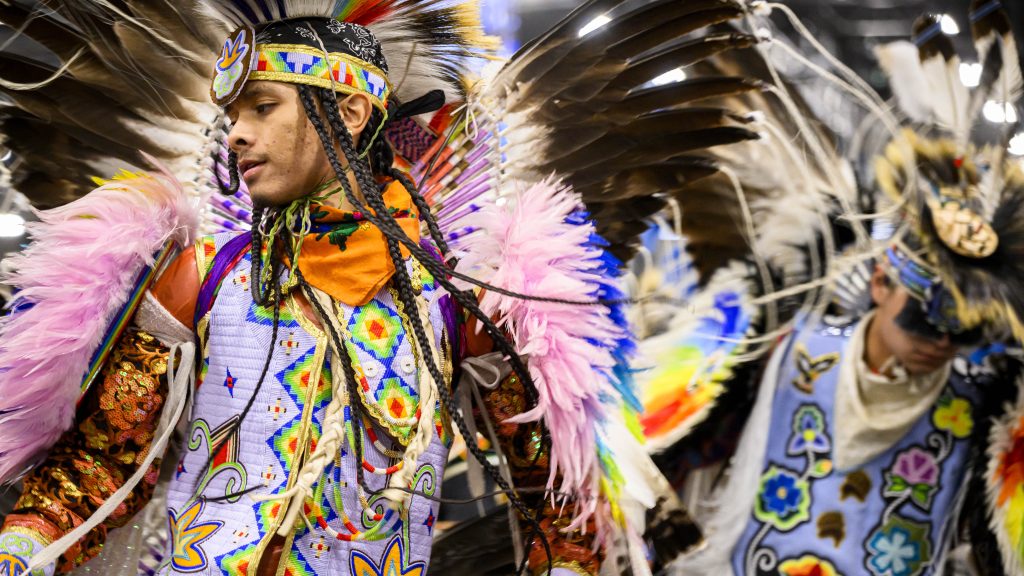
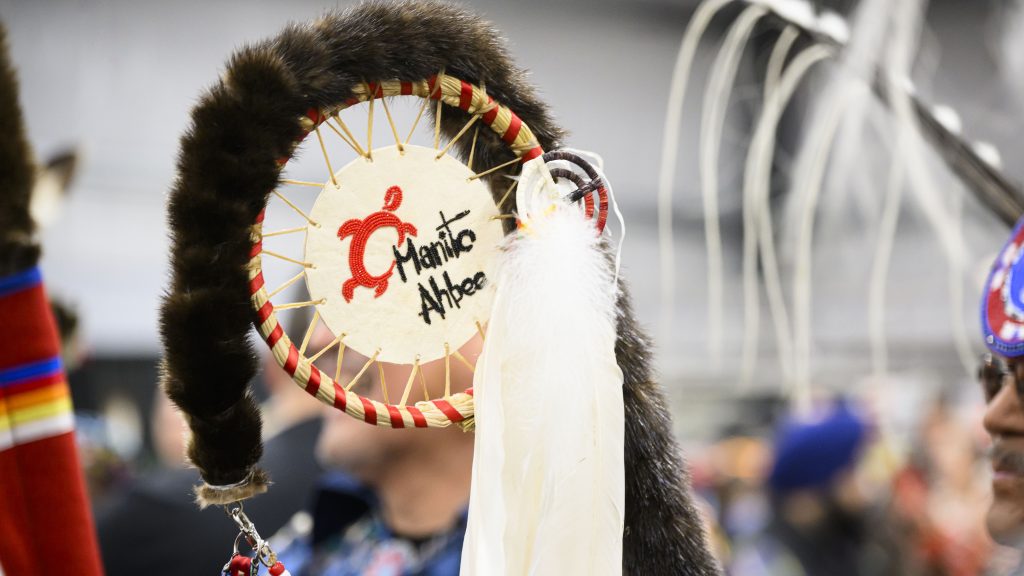
From fashion to food and everything in between, Manitoba’s Manito Ahbee festival has grown over the years to become the second largest powwow in North America.
Thousands of people come to celebrate Indigenous culture, excellence and artistry in Winnipeg during May long weekend.
And this year’s festival was a special one as it reached its 20-year milestone.
“I hope that people, when they come, they can leave here with a better sense of understanding of the vibrant culture,” said Grace Redhead, Manito Ahbee’s powwow coordinator. “The differences, so just some of the differences between nations and dances.
“And they can just get a bit of an understanding of how alive our culture and spirit is.”
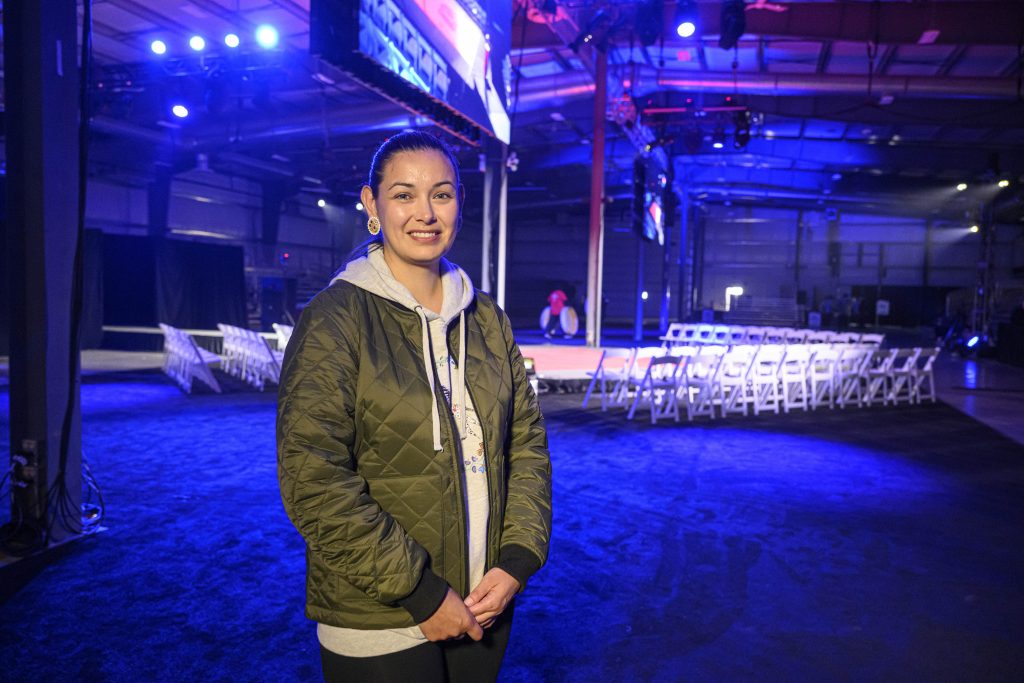
Since Manito Ahbee’s inception, it’s moved from the Canada Life Centre in Winnipeg to the Assiniboia Downs for a much bigger space.
“The vibe of the festival has changed over the years. It’s grown,” Redhead said.
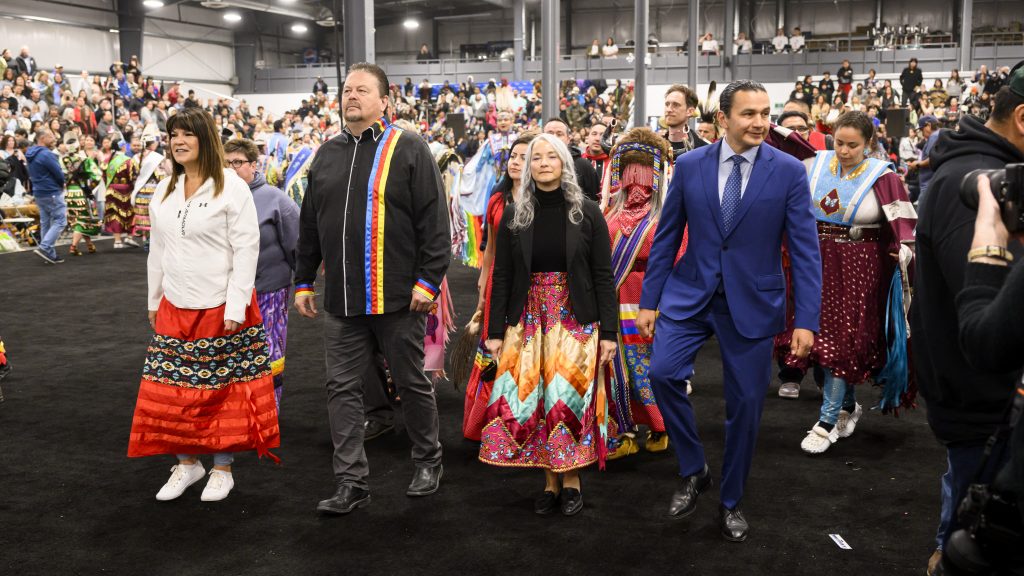
The three-day event kicked off on a Friday with a red carpet featuring special guests: Grand Chiefs of Treaty One, festival celebrities and even famous puppeteers Bighetty and Bighetty.
Fashion
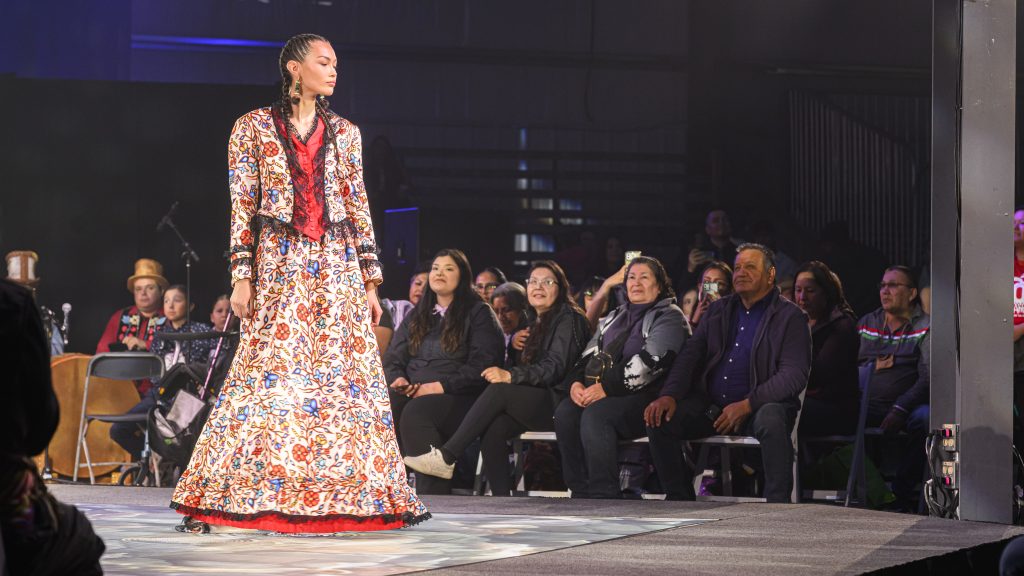
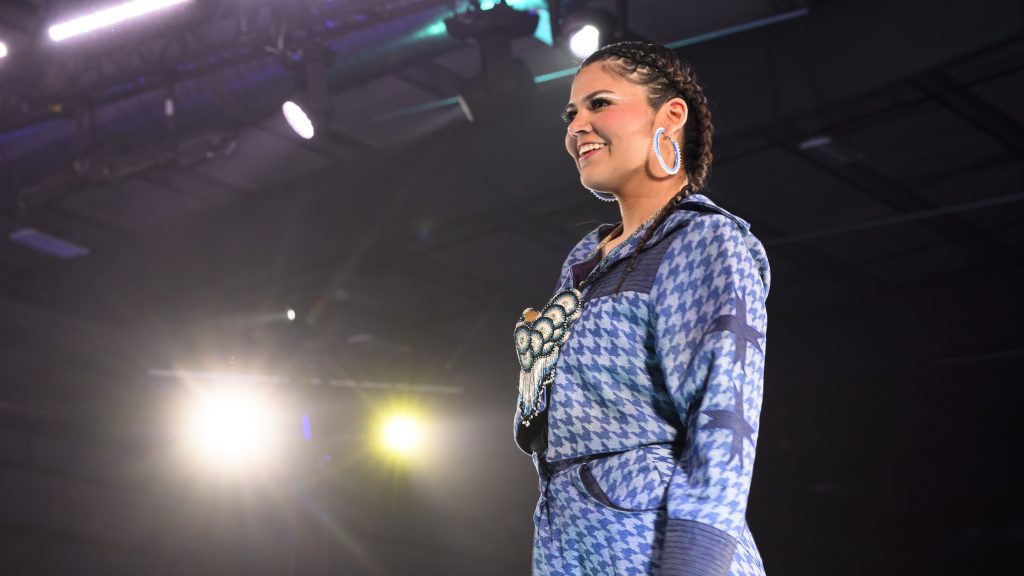
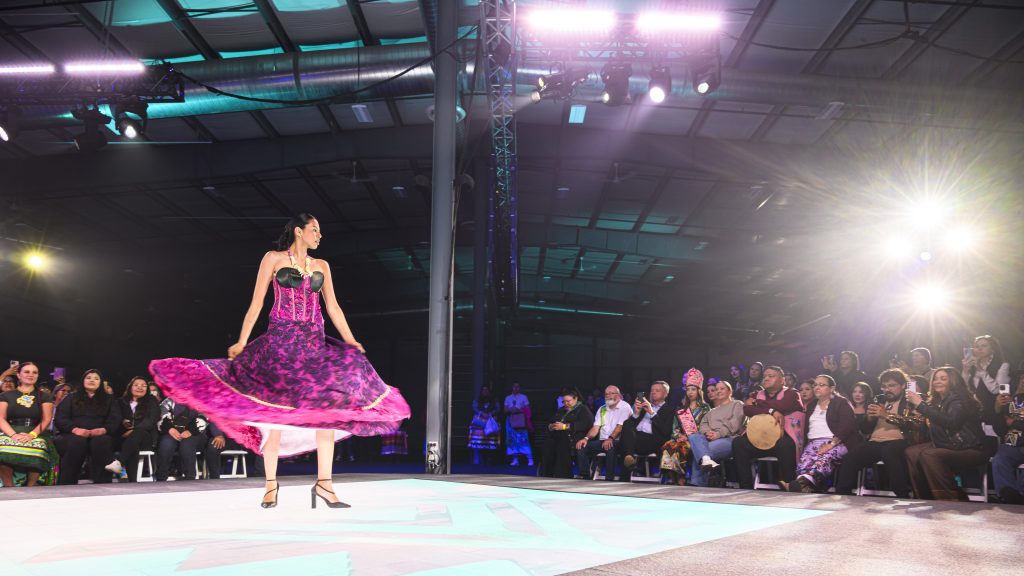
What followed was a fashion show: the Red Road Cultural Clothing showcase.
“It really highlights Indigenous artisans within Manitoba and the work that they’re doing,” said Redhead.
Saskatchewan fashion designer Chelsea Nokusis presented her 10-piece collection.
“I design for my people,” Nokusis told CityNews. “I’m a Cree. I’m a Cree from Peepeekisis (First Nation) and everything is Cree couture.

“My collection is to bring in Mother Earth and it’s called ‘To Love Yourself.’ So it’s a floral design, most of it is floral and then the rest of it is Native pride. So there’s a lot of geometric, Native designs in there. And it’s just to bring heritage and to bring into the culture. That’s my main goal, is to make everybody feel beautiful and to be proud of who they are.”
The designer behind “Chelsea’s Creations,” whose work has taken her to New York and Paris, says the festival is about showcasing her designs, meeting new models, and having fun.
“It’s a big statement because before we were never seen,” she said. “And now, finally, we’re being seen and even our fashion is coming to light. And everywhere. Santa Fe, U.S., Paris, Milan. It’s coming out and I’m just so happy that it’s finally here and everyone can come and celebrate with us and the models.”
Food
It wouldn’t be a festival without food, and that’s where Anthony Faraci comes in.
Faraci is the owner of the Bannock Factory, a family-owned business that serves bannock, a type of bread – fried or baked – popular among First Nations, especially at powwows and festivals.
“So we got bannock burgers, a favourite here at the Manito Ahbee,” said Faraci, whose mother’s side of the family is Red River Métis. “So we do a lot of bannock burgers, a lot of poutine. And something we introduced this year is the bannock festival burger, which is a bannock cheeseburger loaded with fried garlic sausage and bacon.”
Faraci says his bannock burger is a family recipe that has been handed down over the years. He also serves a dessert version of bannock – with strawberry jam.
He says his favourite part of the festival is the collection of vibrant Indigenous cultures. “It’s not something that everybody gets to experience all the time,” he said.

Dance
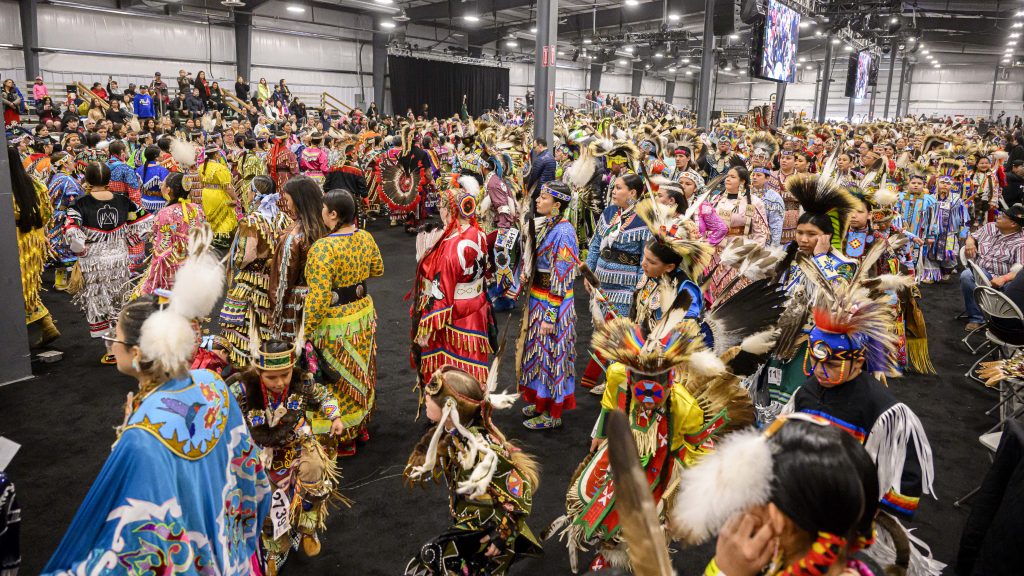
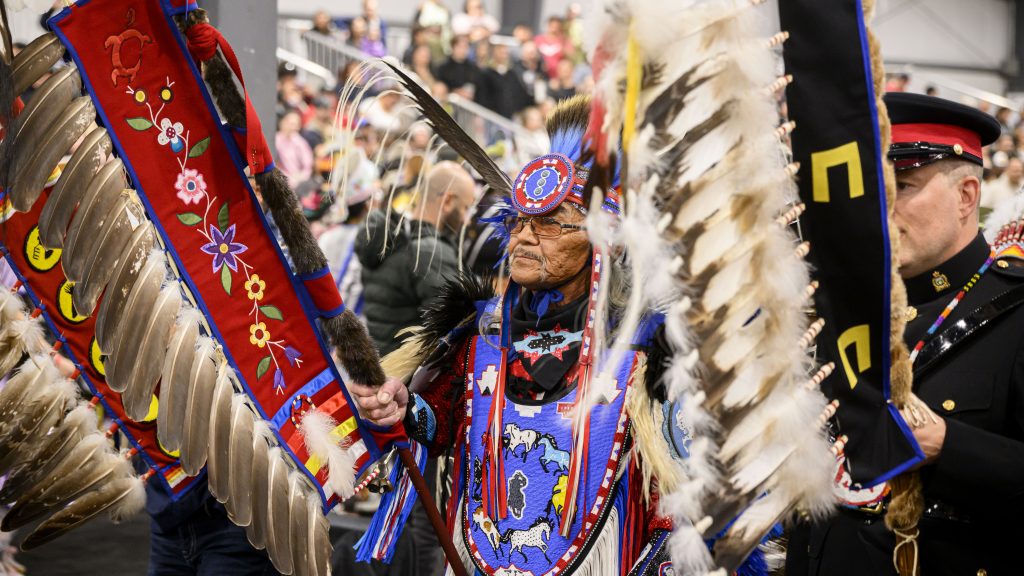
Saturday’s powwow is the main event of Manito Ahbee, one that draws in thousands of people from all over the world.
Because of the festival’s move to the Assiniboia Downs, that means more dancers can come into the circle.
“It’s also a gathering space, so families come together and will come here and meet – their first stop on the powwow trail and then spend the summer dancing and singing, so it’s really nice,” Redhead said.
For 2Spirit dancer Kristen McKay, this year’s festival was particularly special.
“Today is such a great day,” she said ahead of the powwow. “It actually is my first cycle as a 2Spirit jingle dress dancer. So in that, it basically it’s my birthday in the powwow circle. So one year ago, I entered for the first time. So it was really awesome. So today that’s like the cycle we’re completing that. So it’s pretty awesome.
“We don’t ever remember our first birthdays but this, I’ll never forget this. So to me the emotions are just the happiness of the safe spaces, the inclusion.”
She says she’s filled with “really good energy” every time in the lead-up to a ceremony.
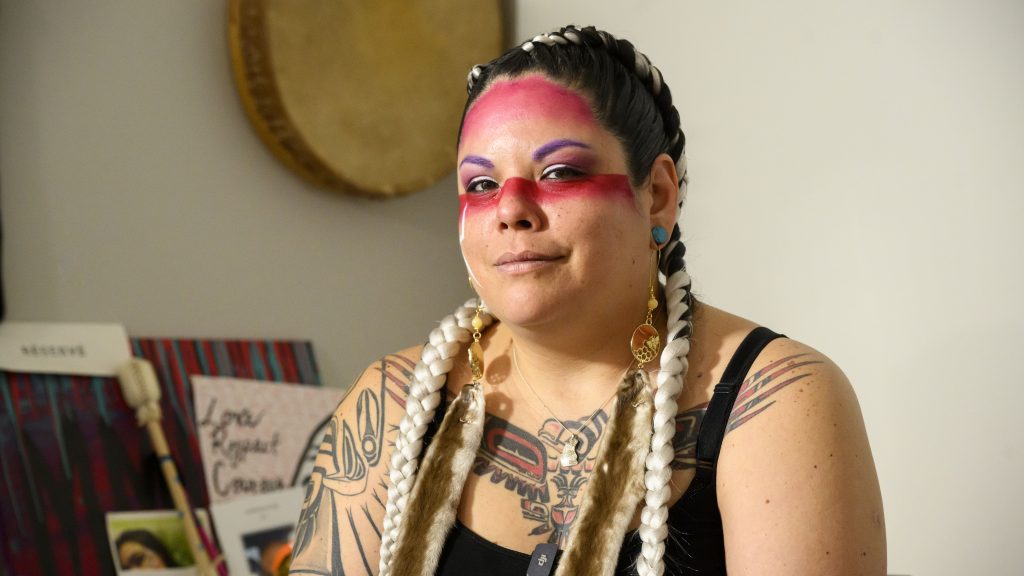
“One of our 2Spirit Elders, she already messaged me at like 7 a.m. this morning and she said, ‘are you dolling?’ Because that’s what we ask one another when we’re getting ready for ceremony. For me, this dolling, it’s huge to have the process to put my war paint on and go to ceremony. It’s such a beautiful way to honour myself.”
For this year’s Manito Ahbee, McKay chose red for her war paint – with reason.
“For me, a teaching that was given to me was that in the spirit world, our ancestors, they can only see the colour red,” she explained. “So for me, the colour red, it represents them. It represents that’s who I walk with. It represents that’s who I’m among. That’s who’s with me. That’s who came with me today. So for me, the red, it always represents my connection to our ancestors. It always represents that sense of our way of life and that I’m showing them by wearing this war paint, I’m walking with them. That I know I’m among them. So for me, red, it represents my connection to them.
“But it also has a significance for me with the missing and murdered, so on that point of their journeys, right. Sometimes they leave this world and it’s a way to reconnect with them. It’s a way to guide them home. It’s a way for them to finish that journey that they came to be on.”
McKay adds part of her emotion surrounding the festival comes from wanting to be a powwow dancer her entire life.
“Being a 2Spirit powwow dancer, it’s been such a beautiful life. It’s been a beautiful journey. It’s just a way of life and in that way of life there’s so much healing. Everything that’s heavy or not good, I get to dance it off in that circle. So for me the emotions are super powerful because of the ceremony and the unity. The coming together in that circle.
“It’s always like that as I enter each circle I dance in. I always feel that immense pride. I feel that my ancestors, they’re just roaring cheers for what we’re doing. They love what we’re doing and they want us to keep doing it.”
RELATED: Winnipeg 2Spirit dancer rejects duality of genders sometimes imposed by powwows
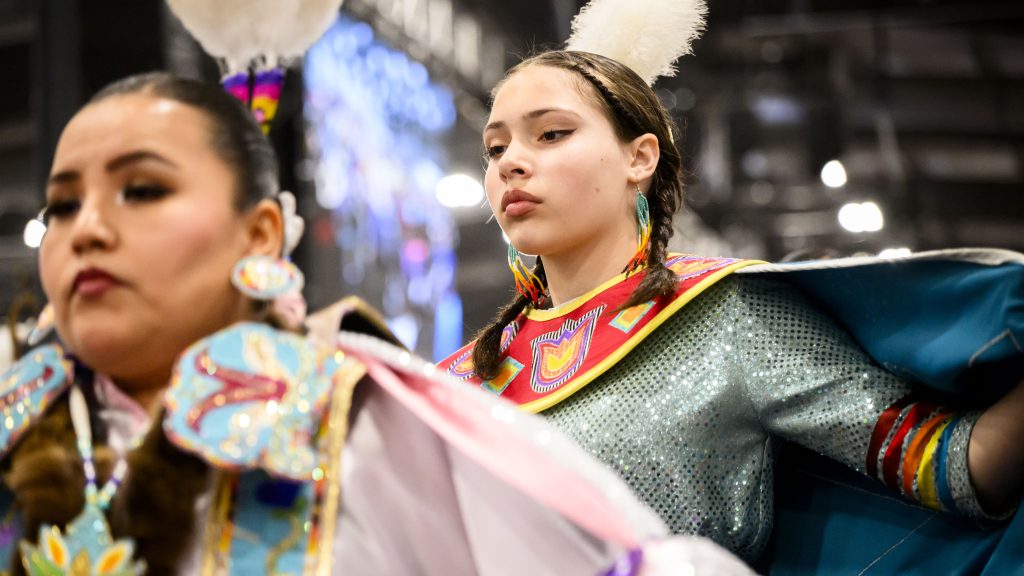
After taking part in the Grand Entry, the ceremonial start to the powwow, McKay said she felt “brand new.”
“I think that coming together in that way to ceremony, it’s really honouring and it brings a lot of beautiful feelings from our ancestors and what they used to practise,” she said. “So I know they’re very happy (with) what we’re doing.”
McKay took a moment to reflect on Manito Ahbee’s beginnings two decades ago – a festival she attended.
“Oh, it was emotional,” she recounted. “It was like I just couldn’t stop crying. That drum, it woke something in me 20 years ago and I didn’t know what it was … All the 20 years that it took from the first time that this celebration, this festival came, it took me that 20 years to really find my path. To find out this warrior woman inside.
“So it’s been a really beautiful 20 years of healing and I’m so grateful for this platform. I’m so grateful for the organization. I feel like this is a true sense of community that they’re doing. It’s to bring us together. If they’ve been doing this for 20 years, well here’s to 20 more, right?”