Police misconduct lawyer highlights accountability double standards
Posted February 9, 2026 7:06 pm.
Last Updated February 9, 2026 7:10 pm.
A lawyer who specializes in police misconduct and police use of force says the inquest into the death of Indigenous teenager Eishia Hudson is highlighting what she believes is a problematic double standard between how police and regular members of the public are held accountable.
“The person hearing an inquest doesn’t have the power to order the police to do anything. They result in recommendations, and the police can choose to implement them or not to,” said Amy Matychuk, a Calgary-based lawyer with Perrie Law specializing in police use of force and misconduct.
She says the current system in place, currently protect police, instead of holding them accountable, as the inquest is the first time examination of the incident has been public.
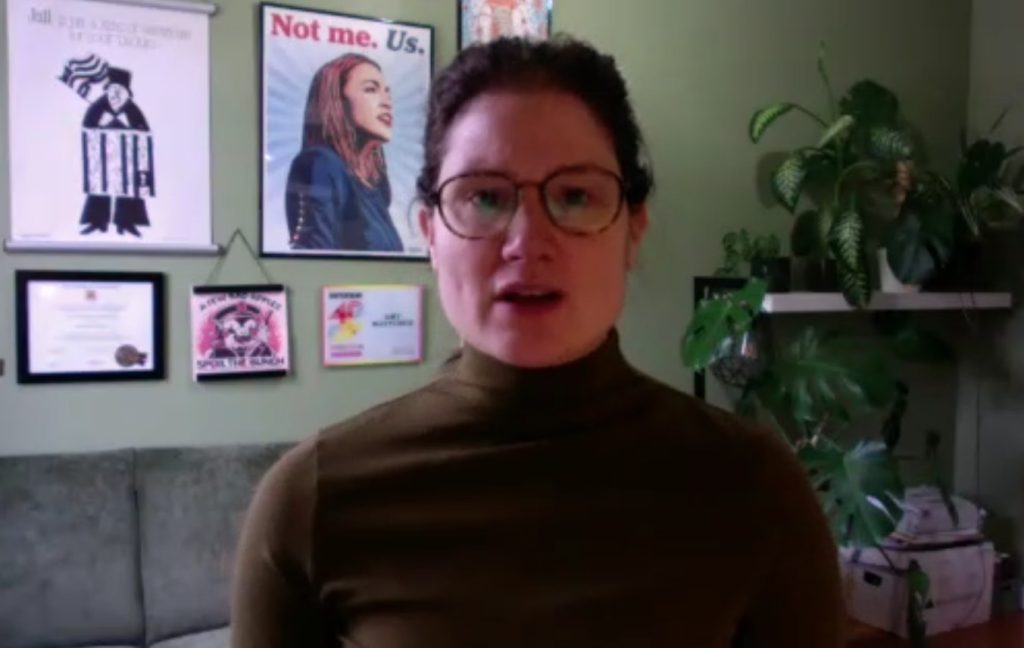
“It would be so different if it were you or me and we had shot someone,” she said.
Matychuk spoke to CityNews following the fifth day of the inquest into Eishia Hudson’s death, and says, alongside questions around use of force and how Hudson died, the inquest should focus on larger questions around police in the community.
“Is a break-in at a liquor store, armed or unarmed, is that a serious enough thing to warrant a high-speed vehicle chase?” Matychuk asked.
On Monday, the court and Judge Margaret Wiebe heard from Const. Gaetan Beauchemin, the “jumper” in a police cruiser that was serving as a backup unit as officers pursued the Jeep Eishia Hudson was driving alongside four other youths following a robbery at a Sage Creek liquor store.
A 19-year veteran with the police service says in his back-up role, one of his responsibilities was observing the pursuit, calling it off if it had gotten too dangerous, telling the Court it was approaching, but had not reached that threshold.
Over the course of the inquest, a non-fault finding mission aimed at examining the non-use of force and if systematic racism was a factor in Hudson’s death, key moments in police testimony have differed from video evidence shown earlier in court, including Beauchemin’s comments.
Beauchemin would also remove a passenger from the rear of the Jeep, but told the court he did not realize shots had been fired until the call went out over the police radio.
When asked what could prevent future deaths from taking place, he said Air 1 would have helped, saying in other pursuits he’s been involved in, it’s been a useful tool.
Telling court: “Once Air1 has an eye on the vehicle, we back off,” which can cause a fleeing motorist to drive better and take less risks.
The Winnipeg Police Service isn’t commenting on the ongoing inquest. However, Matychuk says it’s concerning when evidence from police doesn’t add up.
“What’s at risk is public confidence in the ability of the people we’ve entrusted with a quite significant degree of force on behalf of the state. That’s what’s at stake. Confidence that those people actually know how to use that force in a way that is proportionate, so that it actually contributes to a public good,” said Matychuk.
The inquest continues on Tuesday.