Environmental advocacy groups voice concerns about pair of North Dakota dairy farms’ impact on Lake Winnipeg
Posted January 15, 2026 6:30 pm.
Last Updated January 15, 2026 7:32 pm.
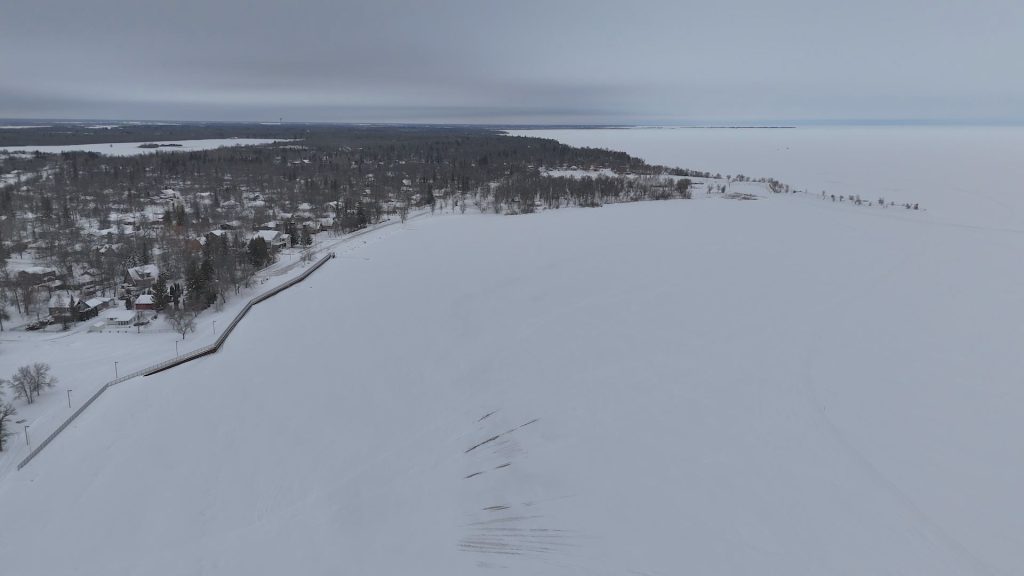
A review is underway by the International Red River Watershed Board of two proposed mega dairy farms in North Dakota to determine whether impacts on water ecosystems were sufficiently considered.
It’s music to the ears of a coalition of environmental activists, who have long been sounding the alarm about the massive amount of animal waste that will be produced from the farms, and the catastrophic impacts on the Red River and Lake Winnipeg.
“We’re going to get a review of the permits, did they adequately consider the environmental impacts, and also a review of the overall cumulative impacts on nutrient loading in the watershed,” said James Beddome, the executive director of Manitoba Eco-Network.

The coalition claims that phosphorus and nitrogen runoff from the waste produced by the proposed farms will flow up the river to the lake, creating toxic blue-green algae. On Thursday, they got to voice concerns to the watershed board face-to-face for the first time.
“We thought it was valuable to be here to get those in-person face-to-face meetings because sometimes an email is a little bit impersonal,” said Beddome.
Beddome and other members of the coalition say the waterway is already 69 per cent over the phosphorus target set by the International Joint Commission. The two proposed farms, located in Hillsboro and Abercrombie, North Dakota, would bring with them a combined 37,000 cows.
“52 Canadian football fields at a depth of 20 feet, every single year, that’s a lot of manure to apply on land that’s not very far away from those facilities,” said Vicki Burns, the director of Save the Lake Winnipeg Project.
Beddome adds, “Toxic algae bloom, that kill the fish in the lake, can be toxic to your pets drinking them, lower values of your cottages, less fish impacting those, particularly indigenous people that rely on the lake for harvesting and gathering.”
A statement from Riverview LLP, the Minnesota-based agriculture company that proposed both farms, reads in part: “…Our dairies are designed and managed to meet or exceed strict environmental standards, and both the proposed North Dakota dairies underwent a thorough, science-based review by the North Dakota Department of Environmental Quality. These safeguards ensure that water quality and natural resources are protected at every stage of design, construction, and operation.”
Before continuing by saying, “Discharges to surface waters (including the Red River) are prohibited by state and federal law, and our farms are designed and operated to prevent such discharges.”
The review comes as a directive from the international joint commission, the group says thanks in part to lobbying efforts, working with Minister of Environment and Climate Change Mike Moyes.
There’s no timeline for the review, and the findings would only be a recommendation for governments on both sides of the border. Still, the coalition says it’s a step forward.
“This regulatory board can actually be a big help if they are willing to use their voices to put out strongly worded reports and recommendations, but our next move is to continue really highlighting this issue,” said Burns.
Beddome adds, “As it stands right now, these projects still are permitted and moving forward in North Dakota, so the threats are still there, so although we’re happy with some of our success, we know we can’t stop right now, we know the work just continues.”