‘Our warnings weren’t heard’: Proposed class action filed by Manitoba Cree Nation after winter power outage
Posted July 29, 2026 1:59 pm.
Last Updated July 29, 2026 7:05 pm.
A proposed class-action lawsuit has been filed in a Manitoba court related to last winter’s power outage that plunged a northern First Nation in cold and darkness for several days.
The class action – filed by Chief David Monias and the Cross Lake Band of Indians — seeks payment for damages, and calls for the immediate installation of a permanent second hydro line while keeping the existing line as a backup in case of emergencies.
Manitoba Hydro, the Attorney General of Canada, and the Government of Manitoba are named as defendants.
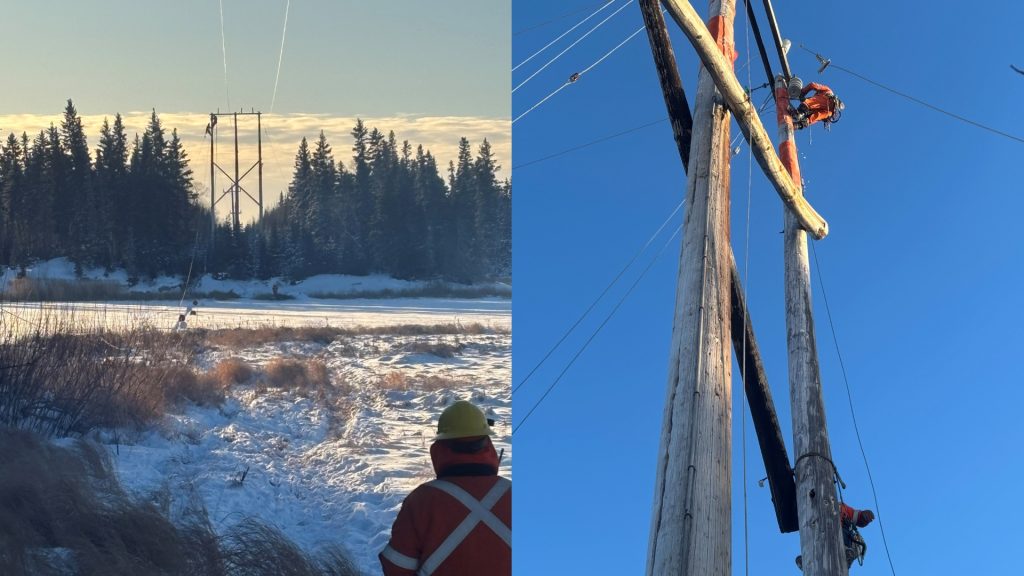
The proposed lawsuit is in response to the days-long outage that began Dec. 28 after a power line broke in Cross Lake/Pimicikamak Cree Nation, a First Nation 530 kilometres north of Winnipeg.
It happened during a cold snap, leading to frozen water systems, sewer backups, electrical issues and burst pipes in homes. The outage lasted about 110 hours.
Roughly 4,400 people were forced to take refuge in Thompson and Winnipeg, and more than 1,300 homes were either destroyed or required some form of repair. The First Nation says 650 people have still not been able to return home, seven months later.
“The harm continued long after the lights came back on,” Monias said.
“We have about 180 homes that are still damaged that are uninhabitable and about 35 of them need to be replaced completely.”
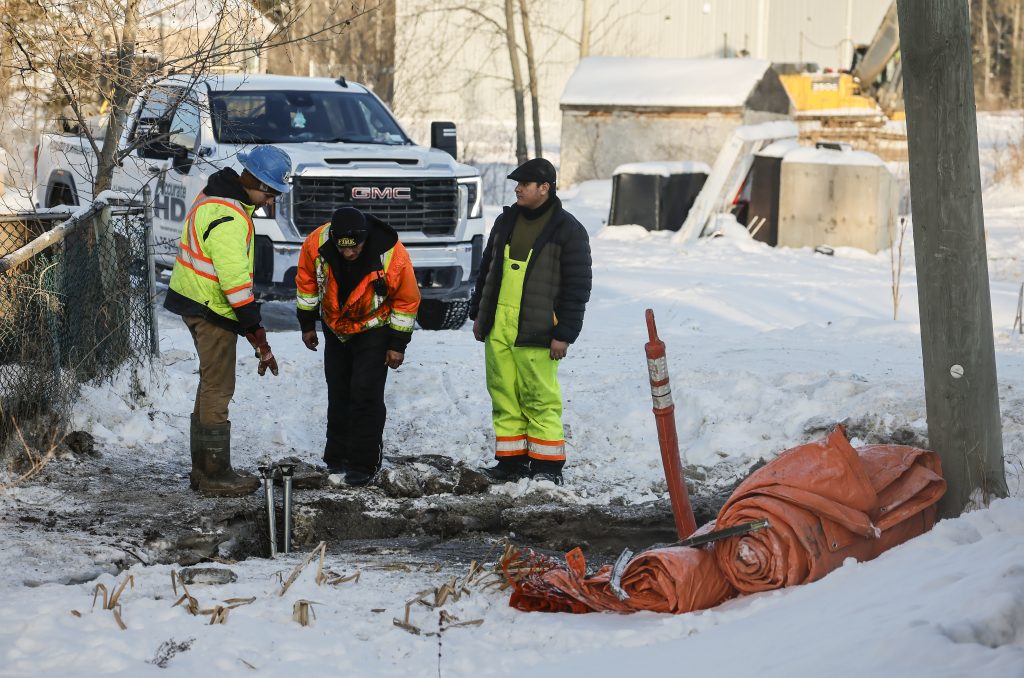
Chief Monias claims Cross Lake had warned the government and Manitoba Hydro for years that a “catastrophic event was inevitable,” with the water and sewage infrastructure already deteriorating before the outage.
“The water plants, both north and south, were on life support, meaning they were actually in operation, using duct tape and glue to keep things together,” the chief explained. “And it kept breaking down. They were using trash pumps to draw water to fill the wet well so we can fill it up to a certain pressure, then it would break down again.”
According to the proposed class action, Manitoba Hydro had also been warned about repeated outages, difficult access to the existing power line, and the need for backup infrastructure.
Monias says the First Nation’s “warnings weren’t heard.”
“They knew, or ought to have known, that it was just a matter of time before a system failure would endanger the lives of citizens in our community.”
According to Manitoba Hydro, the power line and its aerial marker balls had been damaged by shotgun pellets, though the Crown utility corporation did not officially say a shotgun blast was to blame for the line break and subsequent outage.
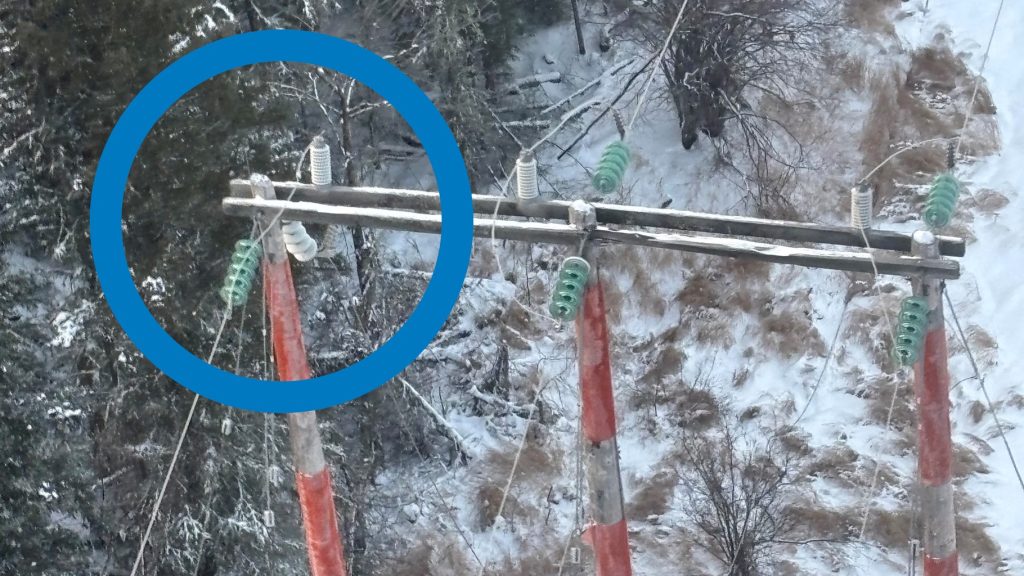
But Chief Monias claims Manitoba Hydro “never disclosed that the failed equipment had no pellet damage but simply stopped working.”
“It is adding insult to injury to infer we were somehow to blame,” said Monias. “Our community relies on hydro to survive, to imply anyone of us would place all our relatives in danger is shocking.”
The proposed class action also alleges mistakes made during the repair delayed restoration.
In a statement to CityNews, Manitoba Hydro says it understands the challenges extended power outages can have on customers but that a loss of electrical service is always a possibility. It says it intends to vigorously defend itself against the claim.
CityNews also reached out to the Manitoba government and Indigenous Services Canada, with both saying they would not comment.
The class action must be certified by a judge before it can move forward. Lawyers representing Pimicikimak Cree Nation say it could ultimately include around 8,000 people. No compensation amount has been discussed.
“That is why we are doing what we’re doing, to say that we need a permanent solution to wake up Government of Canada, to wake up Government of Manitoba and Manitoba Hydro, that this is a real problem and they have a responsibility to make it right,” said Chief Monias.