Nearly 75% of Indigenous people experienced mistreatment when giving birth: Study
Posted July 9, 2026 5:16 pm.
Last Updated July 9, 2026 8:15 pm.
A recent national study aimed to examine the experiences of pregnant people in the Canadian healthcare system has indicated that nearly 75 per cent of Indigenous people have reported being mistreated during childbirth, and now medical professionals are looking at how they can make a difference.
The survey documented experiences of more than 6,000 people who gave birth in Canada, including 309 Indigenous participants.
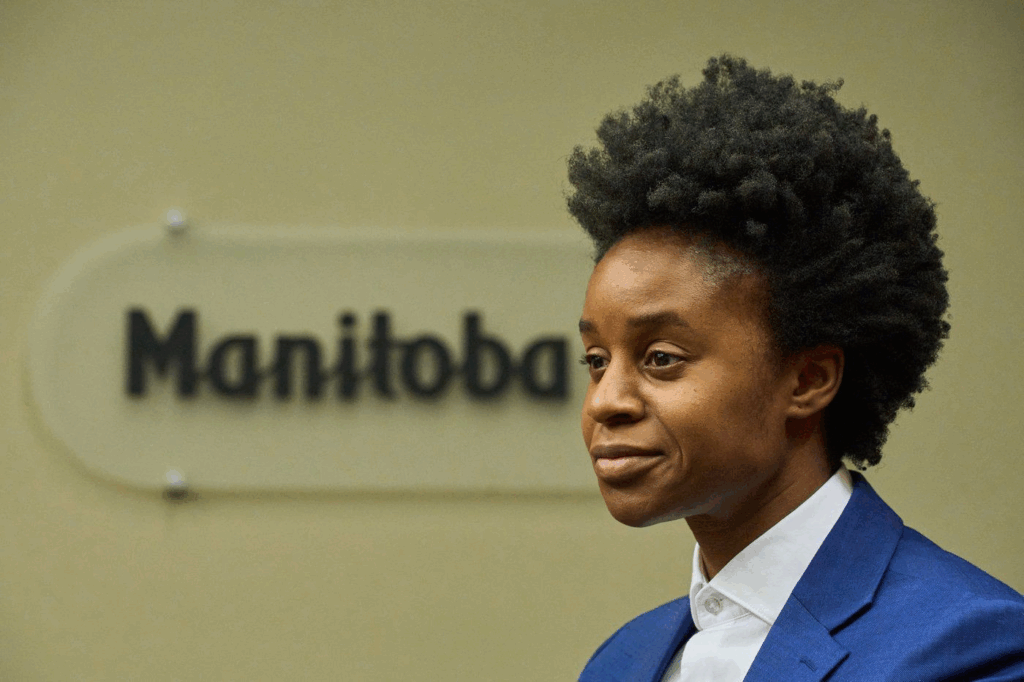
Doctor Wanda Phillips-Beck has been a nurse for over 35 years. She’s been working in research for the past 20 years with a focus on maternal and child health, primarily with Indigenous people and Indigenous health.
“Having a child or having the labour and delivery experience should be a very positive event in your life. And celebrated, and in the past in our Indigenous communities, that was a community event. So women that primarily live in remote and rural communities have to travel and leave home for birth, and they can’t bring their system of support for birth,” said Dr. Phillips-Beck.
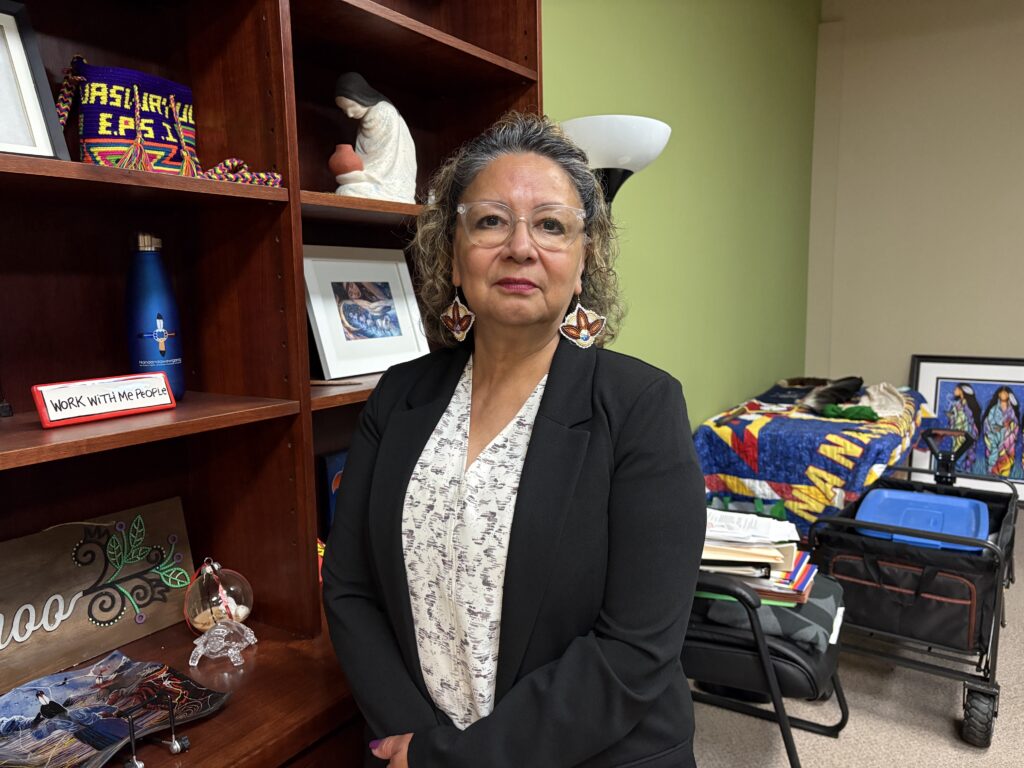
Doctor Phillips-Beck says research found that Indigenous peoples are being yelled at, given few choices in decision-making, and coerced into procedures that Dr. Phillips-Beck says they could have done without.
“Being mistreated and not having a good experience in childbirth or in the events leading up to your childbirth can cause a lot of stress on the body. And stress manifests in terms of cortisol circulating your body, and that transfers to the infant. So starting off in your life with higher-than-normal cortisol levels and being subject to that kind of stress is unacceptable,” she explained.
CityNews reached out to the Minister of Health, whose statement reads, “We know improving these outcomes can only happen by listening to women and families who experience mistreatment and by confronting systemic inequities. This work is far from finished. We will continue working with First Nations, Inuit and Métis partners to improve care, strengthen accountability and ensure Indigenous families receive the care they deserve.”
However, Dr. Phillips-Beck says, “I absolutely do have hope in our healthcare system, and I do believe that we have really good politicians and advocates that are fighting to make the healthcare system more equitable and more fair and just. So I think that with this work and the work of researchers, policymakers and our healthcare system, even training environments, working together can make a difference in the future. And I’m hoping within my children’s lifetime, we don’t have to wait seven generations for the change to come around.”