Winnipeg-area wildlife rescue warns baby bunnies being brought in needlessly
Posted June 8, 2026 3:33 pm.
Last Updated June 8, 2026 9:18 pm.
An animal rescue facility in a community southeast of Winnipeg is pleading for people to be more mindful when bringing animals in for rescue.
The Wildlife Haven Rehabilitation Centre in Île-des-Chênes says its hospital is nearing capacity.
“We’re at in more need than ever of the community support being able to try and help us care for these animals,” said Amy Wilkie, the centre’s education program manager.
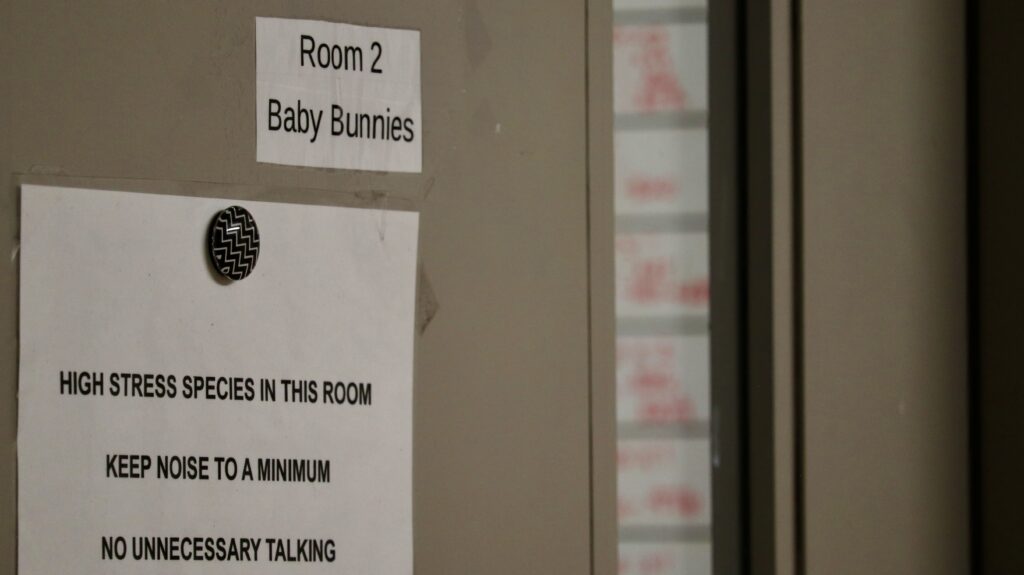
Wilkie says it’s dealing with a “huge increase in patients in general,” but noticeably many baby bunnies being brought in needlessly.
“People will find a nest of baby bunnies in their backyard or wherever, they don’t see a parent around, and so they immediately think that the babies are orphaned, they need help, so they bring them right to us,” Wikie said. “And then when they come into our care, we see that they have a belly full of milk, so we know that the mom is coming back and caring for them.”

Wilkie says this year, the Wildlife Haven Rehabilitation Centre has already taken over 1,000 animals, which is more than double what they saw around this time last year.
And with the Prairie Wildlife Rehabilitation Centre in St. Adolphe slated to close its doors later this year, Wilkie says they will be busier than ever.
“When we get too many patients in care, there comes a certain point where we may not be able to take any more at our centre because we just don’t have the proper staffing resources to be able to constantly care for these animals,” she explained. “So we may be turning people away at the door, which is something we never want to do.”
Wilkie says this also takes a toll on food resources, citing the time, energy and money it takes to make rabbit formula and giving them greens every day.
At any moment, Wildlife Haven has up to 300 animal patients in their care. On Monday, that number was around 260. With only 70 spaces allocated for bunnies, the centre says its on the verge of an intake freeze.
Wikie says the entire community can help reduce those numbers using a simple trick.
“So usually we’ll ask people to monitor their nest for at least 12 hours, up to 24 hours” she said. “We’ll even sometimes tell them to put something over top of the nest like string, yarn, even twigs in a certain pattern. And then when you come back after the 12-24 hours and you notice whatever you put on there is disturbed, you know that the mom has come back.
“But if you come back after and it’s in the exact same place you put it, you know something has happened to the mom. That’s when you can bring them to us.”