Former RCMP officer who guarded crashed Soviet satellite in the Arctic links that mission to cancer decades later
Posted March 5, 2026 5:17 pm.
Last Updated March 5, 2026 7:19 pm.
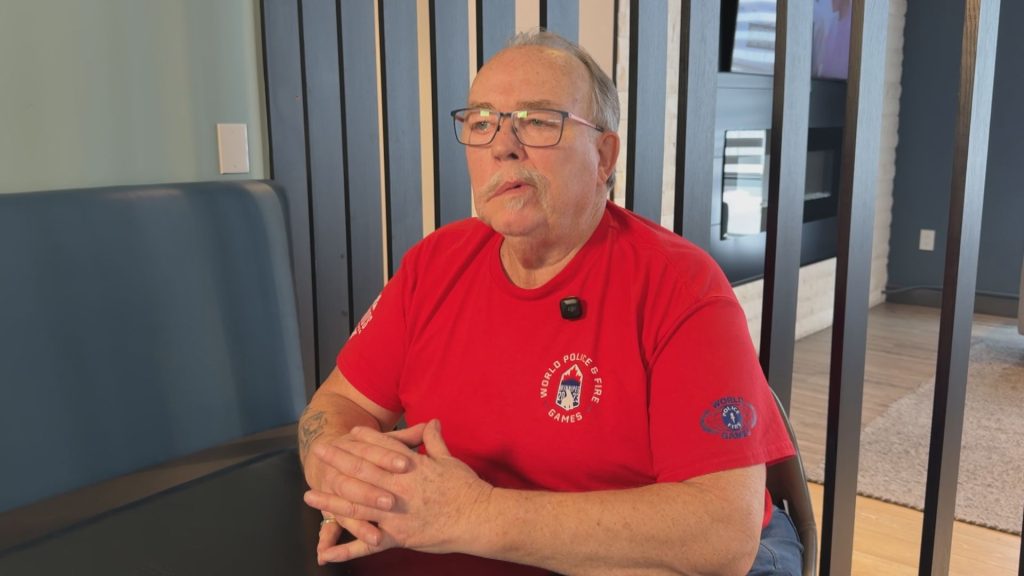
Nearly 50 years after a Soviet satellite carrying radioactive material crashed in Canada’s Arctic, a former RCMP officer who helped guard the wreckage says the exposure from that mission may have led to a rare cancer decades later.
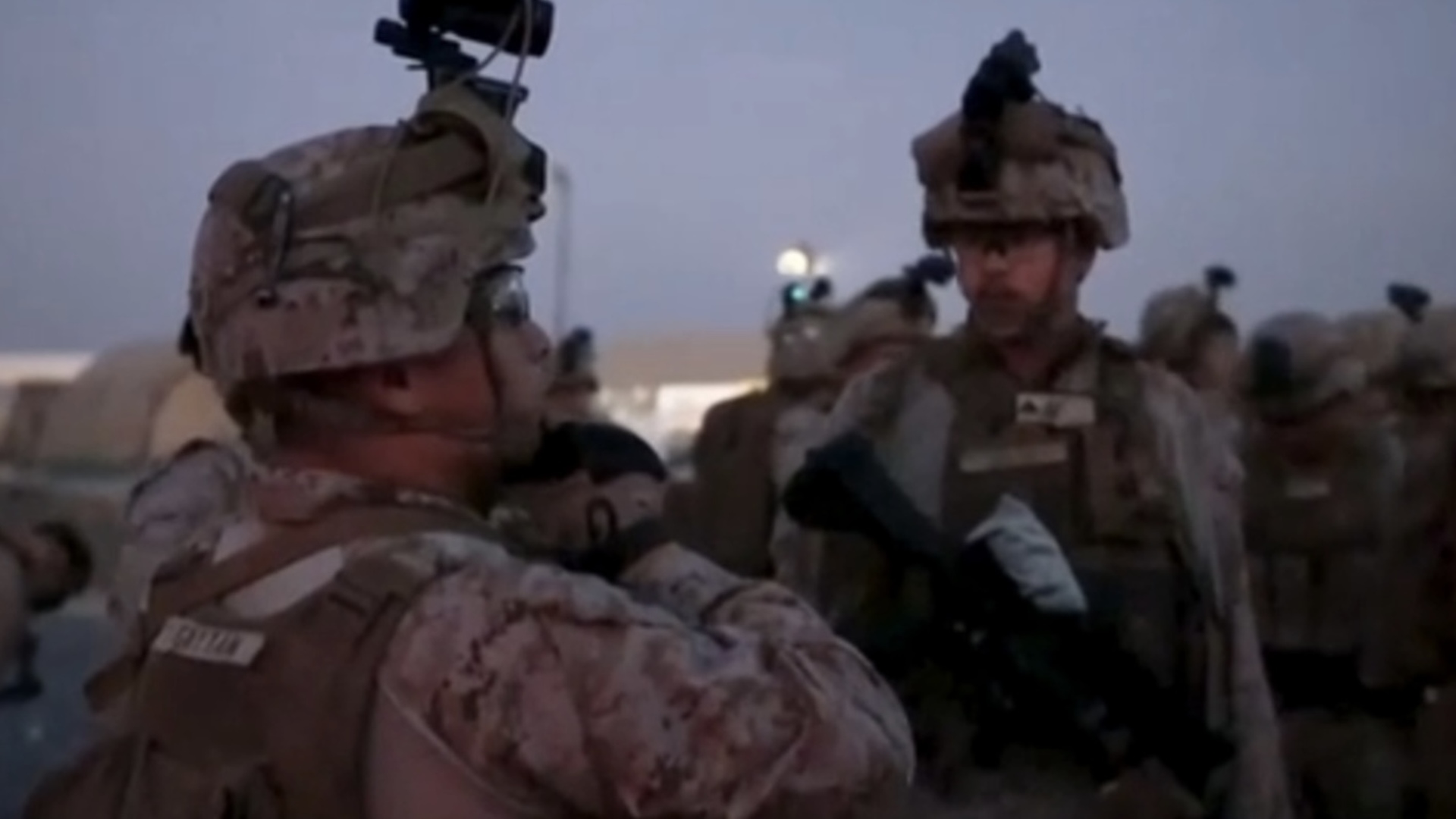
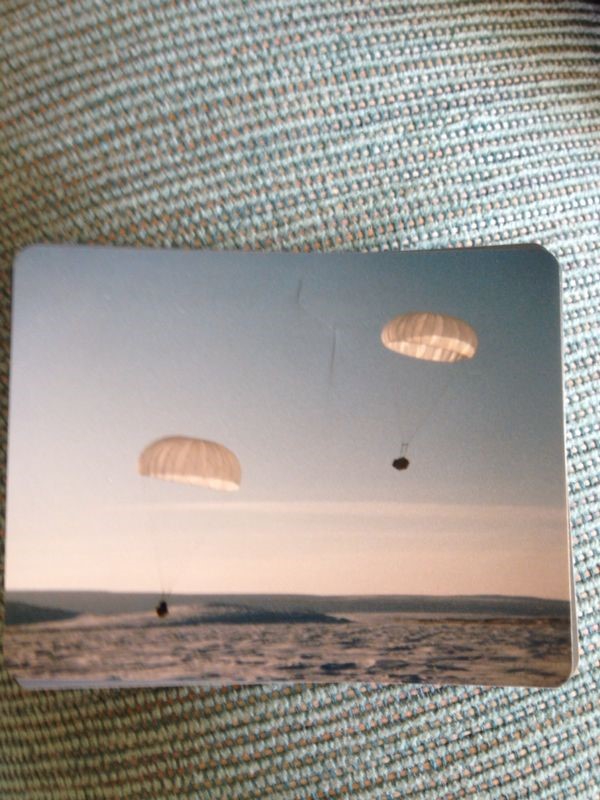
Lance Rayner was just 24-years-old when he was sent north in 1978 to guard the wreckage of the Soviet satellite Kosmos 954 after it crashed in the Northwest Territories. The nuclear-powered reconnaissance satellite scattered radioactive debris across parts of the Arctic when its reactor core survived re-entry.
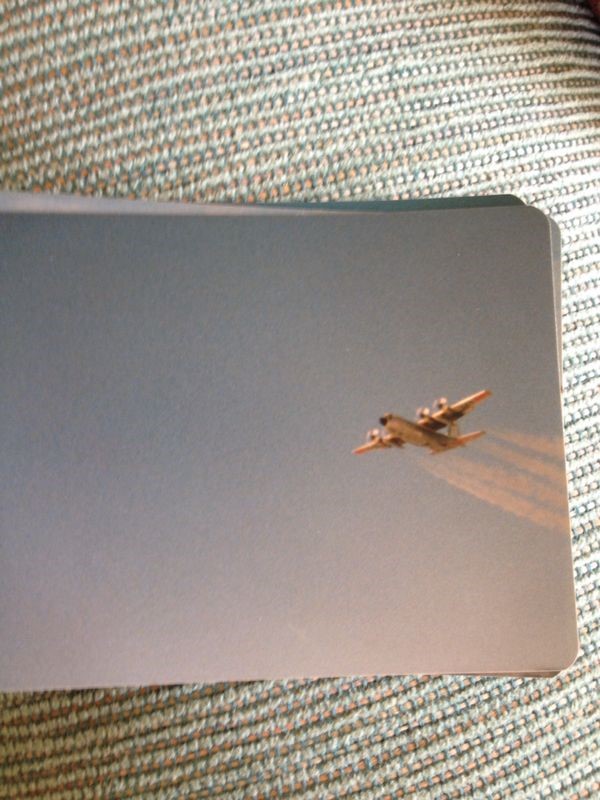
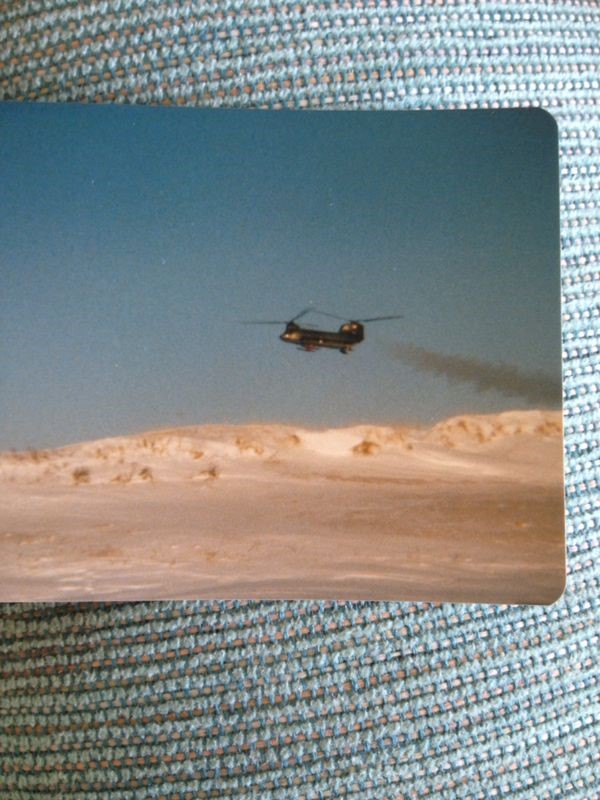
“The military had been parachuted in to secure the scene initially, but they don’t have enforcement powers; the RCMP does, so that’s why we were sent in to wave the flag, and I was literally told to keep the Russians from repatriating pieces of the satellite,” said Rayner.
Rayner claims officers at the site had little protection from the contamination, even melting snow nearby for drinking water and cooking.
“We thought nothing of it. There was no foreshadowing that it was that actively radioactive, as what it was, and there’s all sorts of protection levels nowadays; those safeguards are in place, but in 1978, in the arctic not so much,” he explained.
Rayner spent roughly a week guarding the crash site before the wreckage was eventually removed as part of a large international cleanup effort, but more than four decades later, Rayner was diagnosed with a rare salivary-gland cancer.
“Took biopsies within five or seven days, saying it was malignant, and they slated me for surgery two months down the line. I got a call within four days and said we will see him within the month,” said Rayner.
After initially being denied compensation, the Veterans Review and Appeal Board ruled medical evidence links the illness to radiation exposure from the satellite crash, saying in a statement to CityNews that military members and RCMP officers who develop illnesses connected to their service may qualify for compensation or benefits. Rayner has since been approved for increased pension benefits.
“That’s the only disheartening thing, there was no atta boy for being there or thanks for toughing it out and getting cancer and losing a partner,” said Rayner.
While Rayner continues to live with cancer, he says treatment has slowed its progression and hopes his story helps others seek compensation for their exposure at the crash site as well.