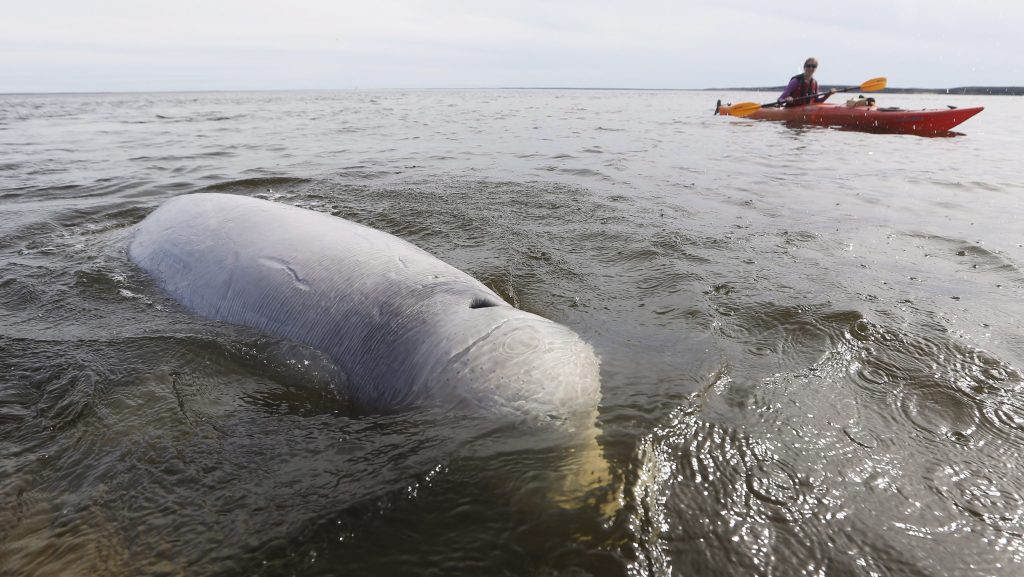
Manitoba government eyes marine conservation area in western Hudson Bay
Posted February 3, 2026 3:52 pm.
Last Updated February 3, 2026 7:27 pm.
The Manitoba government is putting money behind a plan to explore a new national marine conservation area along the Hudson Bay coast, aiming to balance environmental protection with economic development in the North.
The province announced a $250,000 investment that will study wildlife and cultural values, while supporting economic activity tied to the Port of Churchill.
“We’re here because we are saying the environment is important at the same time we pursue economic growth,” said Premier Wab Kinew.
“Anytime people in Canada or around the world look to grow the economy, it has had an impact on the enforcement, so the question is, to what degree are you going to put protections in place to preserve as much of the environment as you want while balancing your economic needs?”

Environmental groups say the move follows years of advocacy to protect western Hudson Bay, an area home to beluga whales, polar bears, and migratory birds that connect continents, making the region one of the most ecologically significant marine environments in the country.
“Surveys have shown that a lot of Manitobans don’t think of us as an ocean or maritime province, which we are; we have over 600 kilometres of coastline along Hudson Bay here in Manitoba,” said Ron Thiessen, the executive director of CPAWS.
CPAWS says a national marine conservation area functions like a park on the ocean, protecting wildlife and cultural practices, while still allowing activities like tourism, shipping, and fishing under clear rules.
“Marine conservation helps us set up rules and guidelines that, of course, help protect the wildlife and cultural activities, but also to ensure more predictability for the business community by having rules that let them plan better,” said Thiessen.
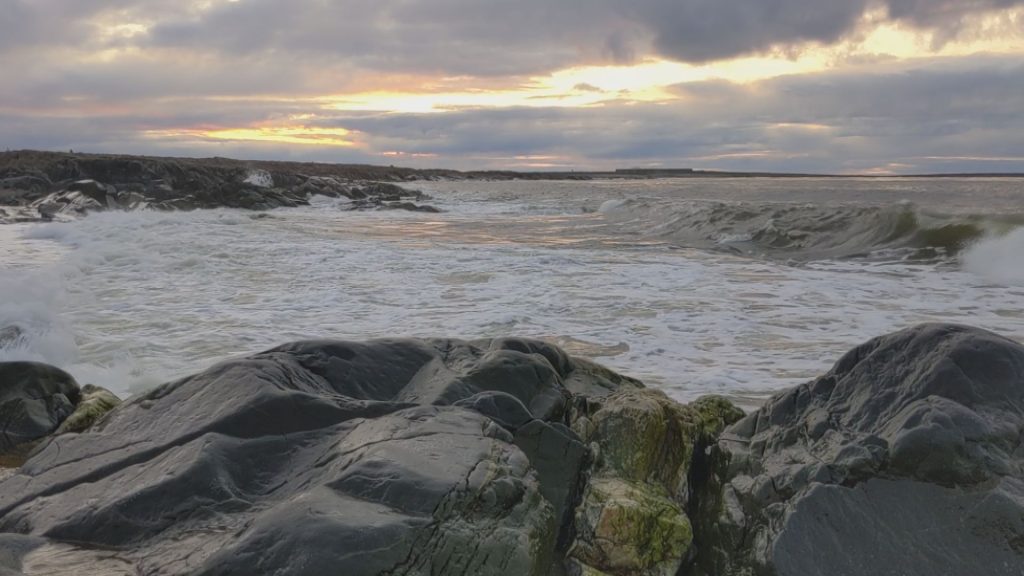
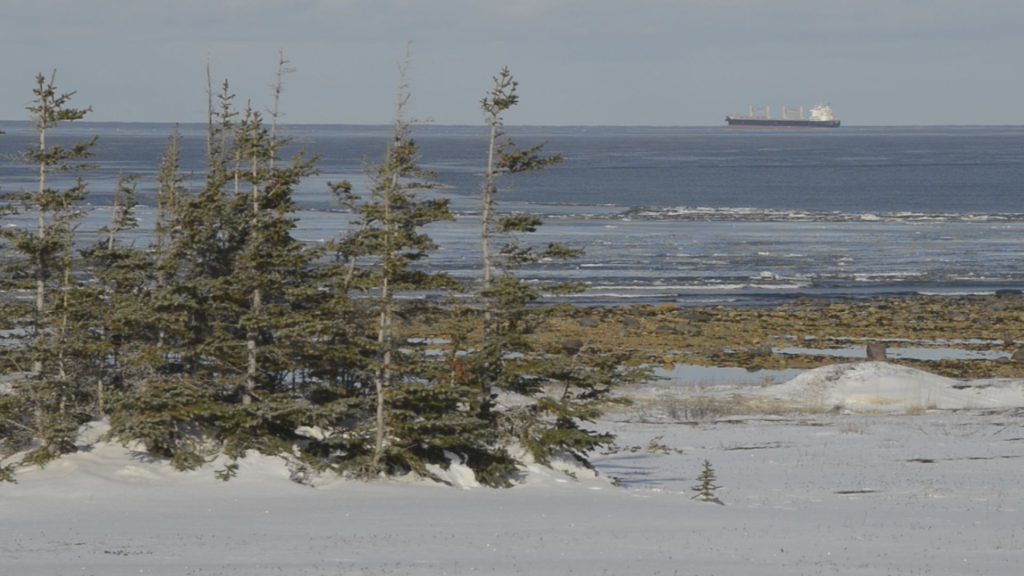
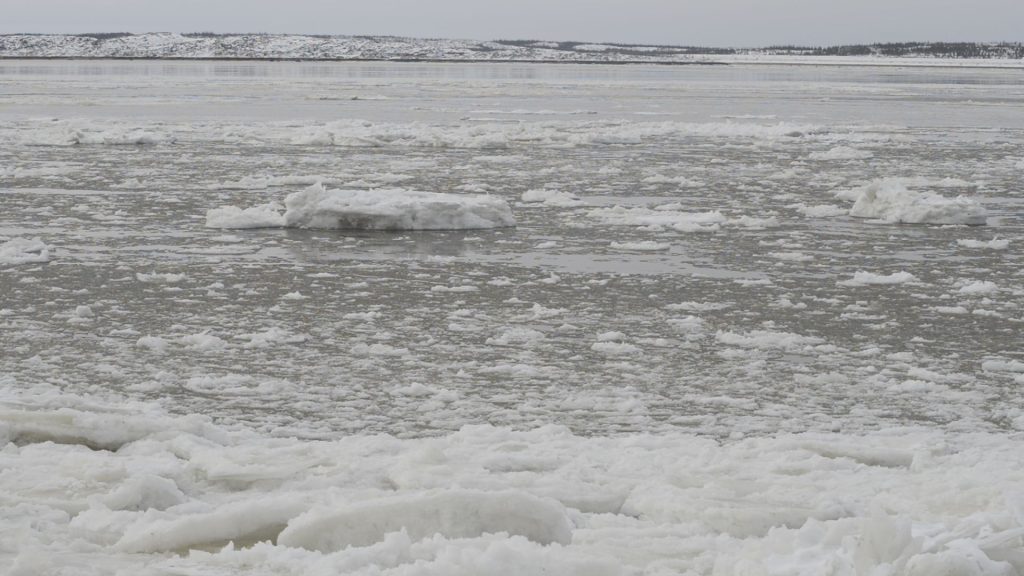
The Wilderness Committee, which has spent more than a decade pushing for stronger protections in Hudson Bay, says while they support marine conservation but cautions that the process needs to be done carefully.
“Every single project needs a climate test and environmental assessment,” said Eric Reder, a wilderness and water campaigner with Wilderness Committee.
“Every project that we put in terms of fossil fuel expansion will affect the ability of polar bears to hunt on the sea ice, and that’s going to change what Churchill is as a town and as a tourism destination.”
The feasibility study is expected to take months, with Indigenous consultation central to the process.