‘Slowest-responding fire department in Canada’: Winnipeg firefighters want more resources to improve response times
Posted August 27, 2025 4:49 pm.
Last Updated August 28, 2025 10:02 am.
The firefighter’s union in Winnipeg is calling for more support from the city, claiming it hasn’t been meeting national standards for response times since 2021
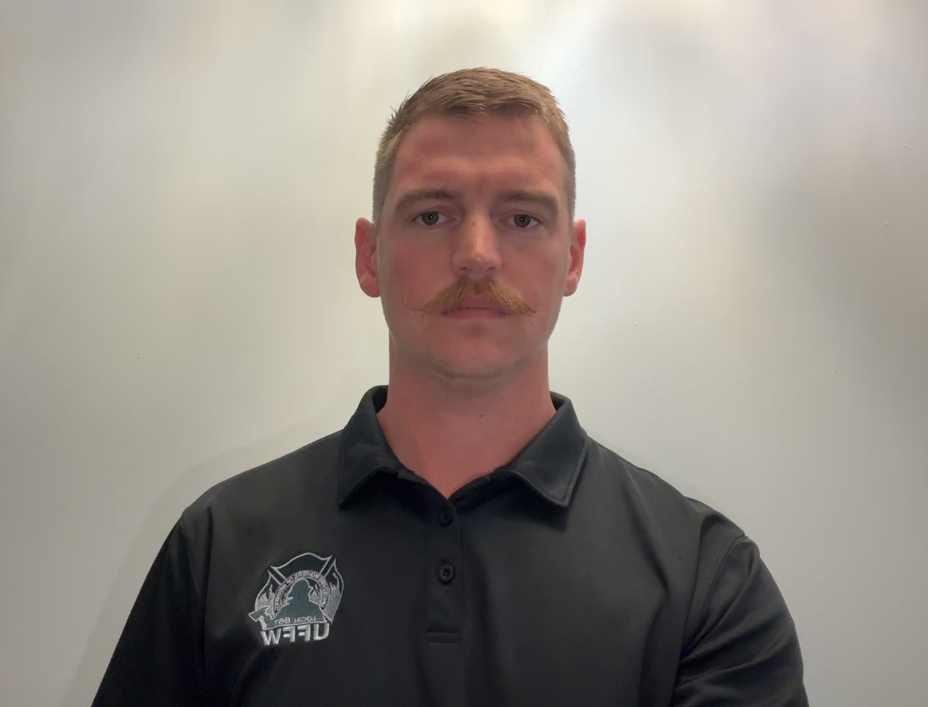
The United Firefighters of Winnipeg IAFF Local 867 says it all comes down to two things: funds and resources.
“If we’re forced to respond to a higher volume of calls with the same resources, the delays will continue to lengthen and that’s simply unacceptable,” said union president Nick Kasper.
“We have less today than we did then, and it is not enough to meet the growing demand of our city.”
Kasper says response times for crews and the number of personnel available to come to a high-rise apartment building on Henderson Highway on Aug. 3 was below standards set by the National Fire Protection Association (NFPA).

“We are disappointed with the response to that incident and we’re thankful that injuries or loss of property wasn’t more severe,” he said.
“This will continue to happen so long as we tolerate this deceased level of service. And the fact of the matter is that, with the last-reported benchmark statistics, we are the slowest-responding fire department in Canada.”
According to the NFPA, standards are voluntary, and most jurisdictions don’t meet the standards.
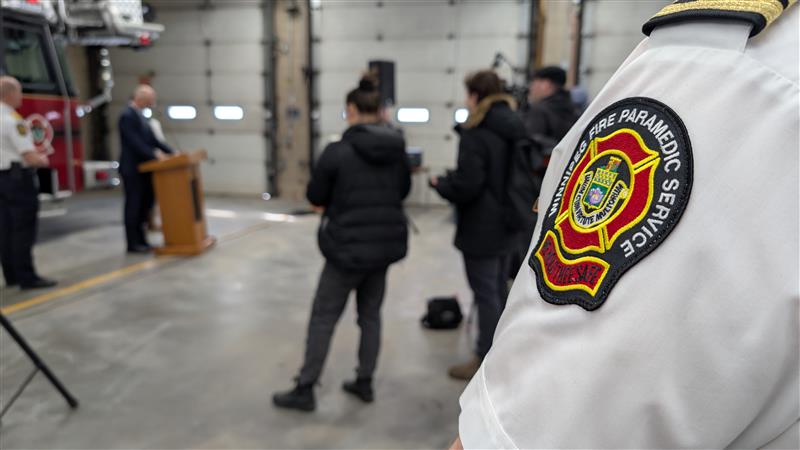
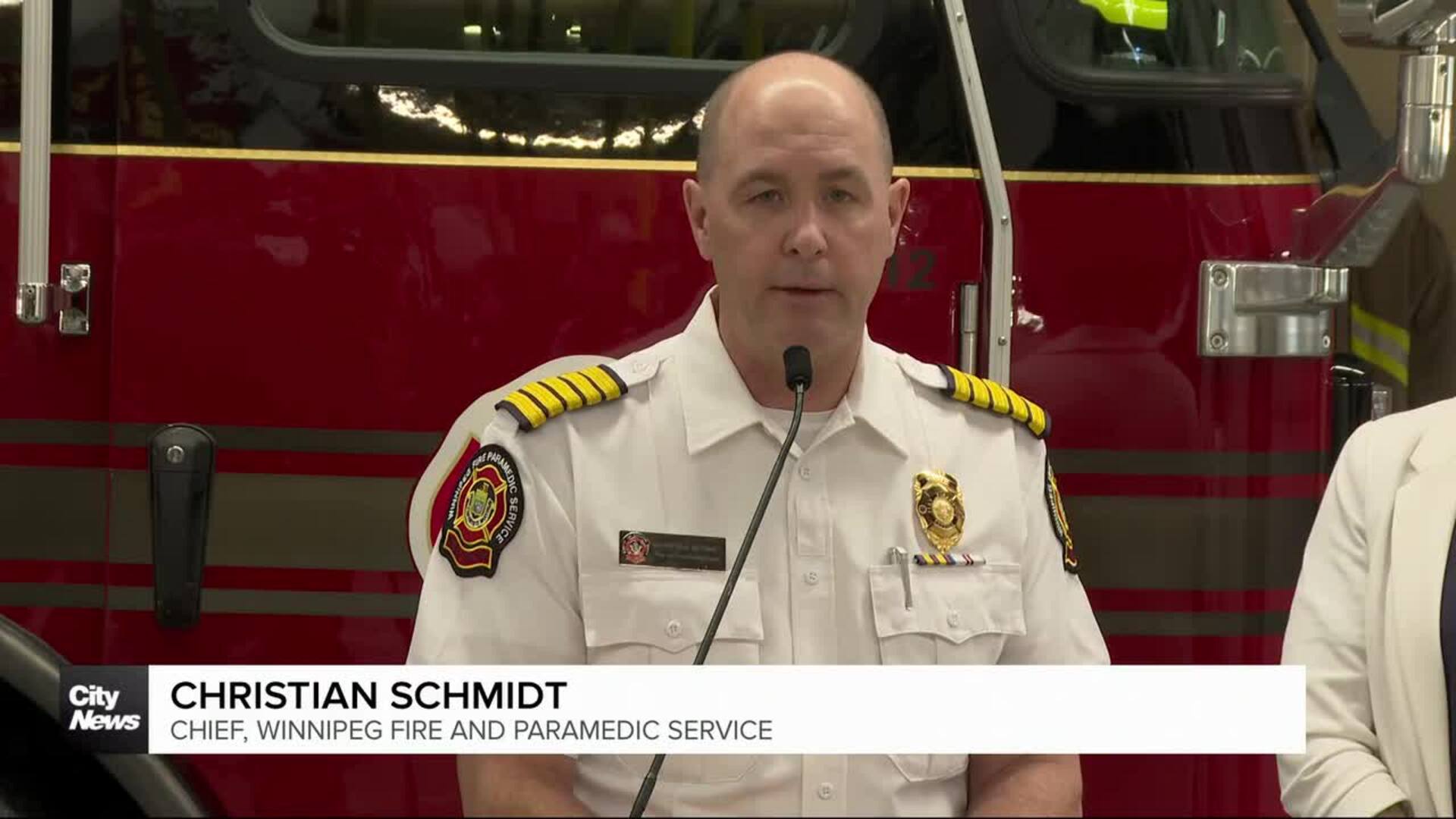
Deputy Fire Chief Scott Wilkinson says while the department always tries to meet the standards, it’s not always possible because of an increase in calls.
READ: Answering the call: A day in the life of Winnipeg’s first responders
He says he’s willing to accept any resources to help alleviate strain on the department and help his crews.
“The budgeted personnel have remained consistent throughout the last number of years,” Wilkinson said. “We continue to fill – we don’t have vacant positions, we fill those through our ongoing recruitment processes.
“Anything we can do to impact the amount of absenteeism and address overtime issues lessens the load on our staff, which is certainly something we’d look towards.”
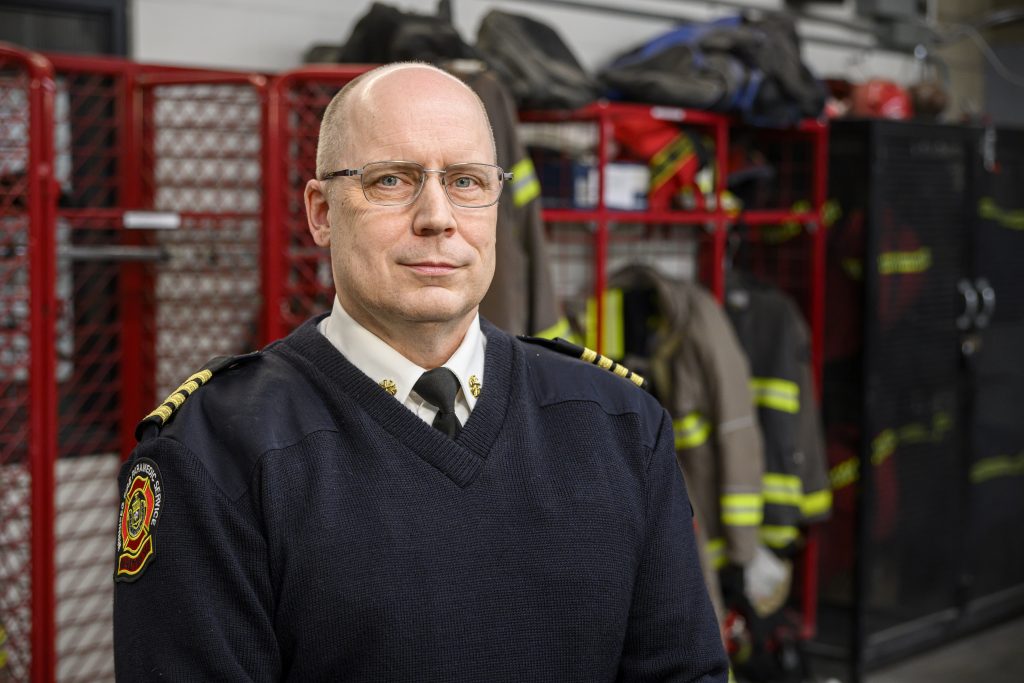
City councillor Jeff Browaty says the integrated system where paramedics ride with firefighters and help respond to medical calls means people can get medical help faster. But he believes the issue lies outside of firefighters’ control.
“They’re not supposed to be tied up for any length of time dealing with a medical call,” said Coun. Browaty, who is also the chair of the standing policy committee on finance and economic development.
“Our biggest problem right now is a shortage of paramedics. We’ve told the province, we’ve asked the province to step up and to fund more paramedics and to this point, they haven’t,” said Browaty.

While Kasper agrees to an extent, saying paramedic on fire truck “essentially backstop the EMS service”, he believes the solution lies with funding more positions and trucks for firefighting crews, and that overtime premiums, which was more than $10 million last year, could have funded more positions.
“You should not be gambling or rolling the dice when you call 911 of whether there’s going to be someone available to respond in your area or not,” Kasper said.