Manitoba premier declares state of emergency over wildfires, says military aid coming
Posted May 28, 2025 9:26 pm.
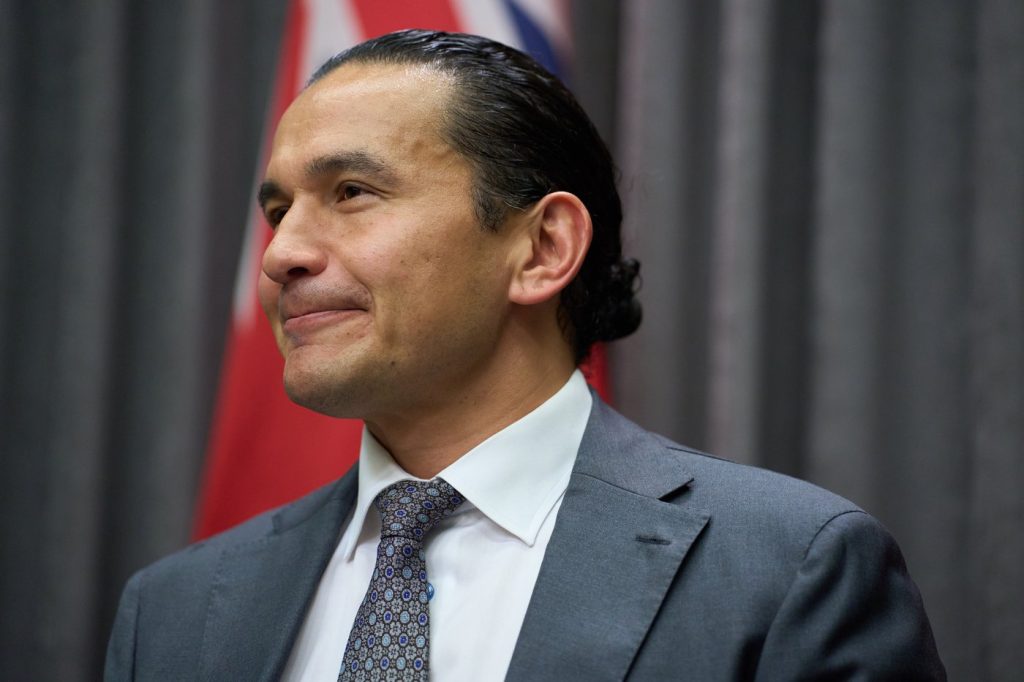
Manitoba Premier Wab Kinew ordered a provincewide state of emergency Wednesday as his province struggles with a series of crippling wildfires, mainly in the remote north.
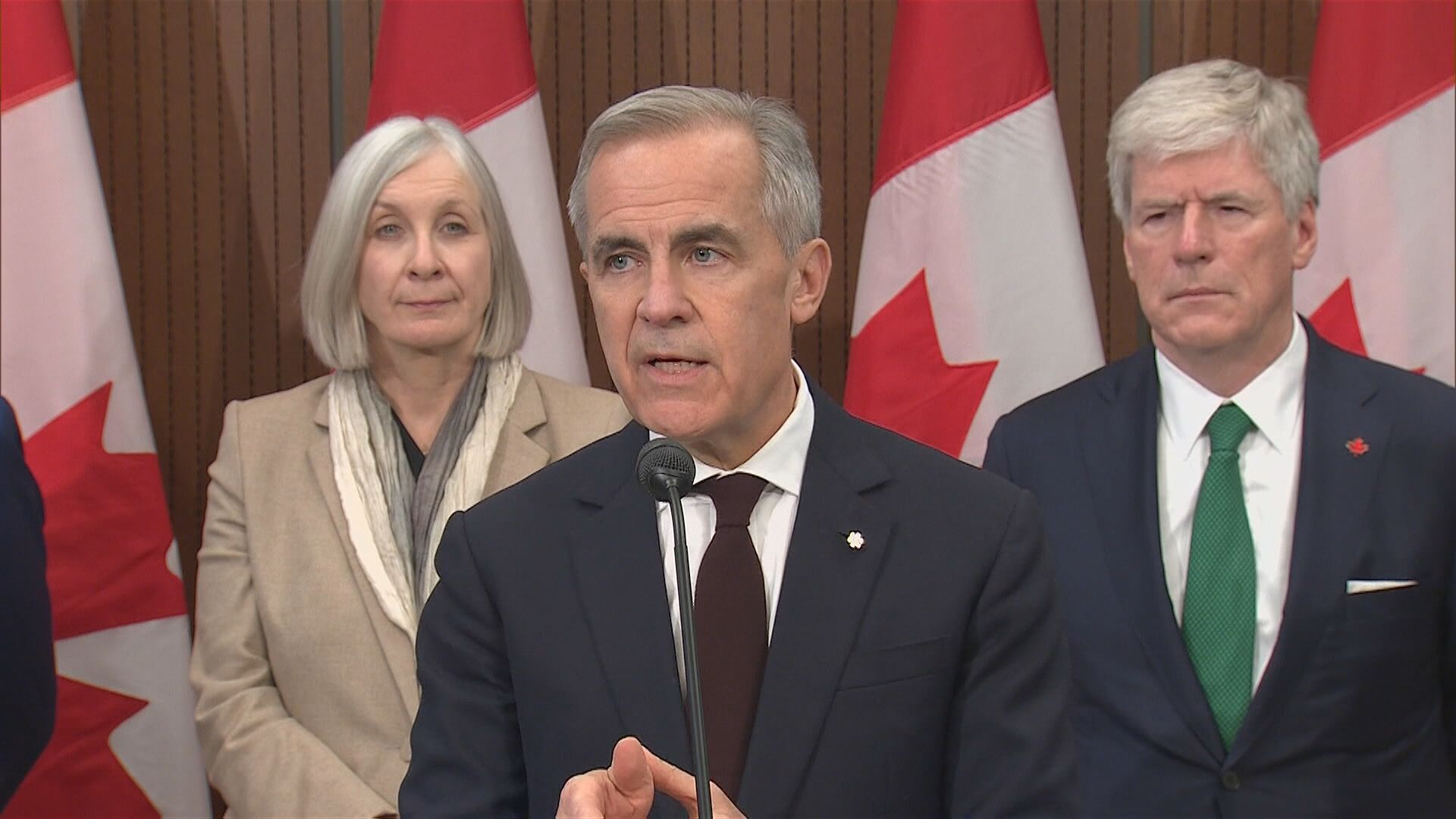
At a late afternoon news conference, Kinew said he spoke to Prime Minister Mark Carney, who has agreed to send in the military. He said they are working with the Forces to immediately deploy evacuation flights.
Fires have forced 17,000 people across several communities and First Nations to flee, Kinew said, in what he believes is Manitoba’s largest such exodus in living memory. Evacuees are to seek shelter in Winnipeg, he added.
“Pray for Flin Flon, pray for Pimicikamak, pray for Mathias Colomb, pray for Cross Lake, pray for everybody in Manitoba who’s out of their homes right now,” he said.
The evacuations include all 5,000 residents of the city of Flin Flon, roughly 630 kilometres northwest of Winnipeg. Kinew said when cottage owners and other nearby residents are added in, that number rises to 6,000.
Those residents were told just hours earlier to head south with their essentials.
“I can tell you everybody has to be out by midnight and that includes me,” Flin Flon Mayor George Fontaine said in an interview. “I’m busy packing a couple of things and everybody is getting as organized as we can.”
He said people plan to take Highway 10, as it’s the only route out.
“That ends up in Winnipeg, so we’ll see what happens,” Fontaine said.
Earlier Wednesday, Flin Flon began sending hospital patients out of the city ahead of the fire.
Evacuees were urged to stay with family and friends. Kinew said earlier in the day that public facilities like recreation centres, may be asked to open their doors to help, as hotels were at capacity with fire refugees and convention attendees.
He later said the province is working with Winnipeg to open up city arenas and even soccer fields for evacuees.
Carney said he has offered “Canada’s full support” as the province deals with wildfires.
“The premier and I are in close contact, and the federal government stands ready to assist Manitoba’s provincial wildfire teams,” Carney said on social media Wednesday evening.
The fire near Flin Flon began Monday across the boundary in nearby Creighton, Sask., and exploded in size. Crews struggled to contain the blaze Tuesday as water bombers were grounded due to a drone flying nearby.
Creighton Mayor Bruce Fidler said upwards of 1,200 residents were told to leave town. He said wildfire officials told him flames could move closer by Thursday and cut off road access.
“We declared a state of emergency and put out a mandatory evacuation so that we can get as many people out of the area as possible to be safe and before the roads become impassable,” Fidler said.
He said residents can also use Highway 10 in Manitoba, and Saskatchewan has temporarily opened Highway 106 for people to make their way to Prince Albert.
From Manitoba to Alberta, wildfires have forced thousands of residents from their homes as the summer season heats up.
About 600 residents from the town of Lynn Lake, 775 kilometres northwest of Winnipeg, were already out due to a rapidly advancing wildfire. Two weeks ago, a blaze near the Rural Municipality of Lac du Bonnet forced close to 1,000 people to flee.
That fire destroyed 28 homes and cottages. Two people were killed.
As of Wednesday, there were 22 active wildfires in Manitoba. So far this year, Manitoba has had 102 fires, well above the province’s 20-year annual average of 77.
Officials said firefighters from New Brunswick, Alberta, British Columbia and Prince Edward Island were helping in Manitoba. On Sunday, a Parks Canada firefighter was severely injured and was in hospital.
Kinew said he has requested further help from the provinces.
In northern Saskatchewan, officials imposed a widespread fire ban after 2,100 people were evacuated from the communities of Pelican Narrows and Hall Lake. Conditions there have been tinder dry and nearly all wildfires have been caused by humans.
In north-central Alberta, the 1,300 residents of Swan Hills, 175 kilometres northwest of Edmonton, were ordered to leave Monday ahead of an advancing, wind-whipped fire, estimated to have grown to 36 square kilometres in size.
Late Wednesday, a mandatory evacuation was issued for Chipewyan Lake, Alta., west of Fort McMurray. The Municipal District of Opportunity said people in the northern community were to head to the Lakeview Sports Center in Wabasca.
An emergency alert said buses would be available for people who needed rides out of town.
— By Aaron Sousa in Edmonton and Jeremy Simes in Regina