With Winnipeg supervised consumption site now fully open, mayor wants an end to open-drug use
Posted August 11, 2026 9:23 am.
Last Updated August 11, 2026 6:46 pm.
Winnipeg’s mayor says he does not want to see open-drug use anymore now that Manitoba’s first supervised consumption site is fully open in the city.
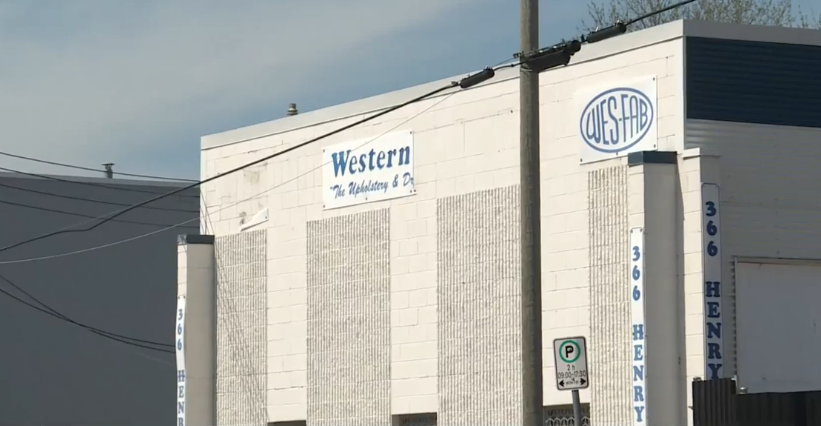
Scott Gillingham told a press conference while he never tolerated open-drug use, it’s especially true now that the site at 366 Henry Avenue is open.
“Public safety will be important around the site,” Mayor Gillingham said. “What I want to see now because the site is open and there is a place for people, I don’t want to see any more use on our streets. I just don’t. I know that’s a tall order. We need to get people who are using out of bus shelters, off of sidewalks. They now have a place to use in the downtown.
“I want to see our service partners that work with people that are struggling with addiction communicating to those individuals that there’s a space for you to use now. It’s the supervised consumption site. It’s not the sidewalk. It’s not the bus shelter.”
The supervised consumption site opened Tuesday after lengthy delays. The province had initially said it was aiming to open a site in 2025, but pushback on the first chosen location and other complications created delays.
Community members, advocates and business owners gathered to see the opening of the much talked about facility, now at a temporary location. The permanent facility is still in construction; the province did not provide a timeline for when the facility will open.
“It’s really good that we are finally here,” said Bernadette Folster, a supporter of the facility who says it took years of advocacy to achieve.
“For me it was very emotional. In a good way. This is something I’ve been fighting for, standing alongside.”
Jamil Mahmood, the executive director of Main Street Project, says the site will help to prevent overdoses and save lives.
“Even these last four or five months have been just really intense,” Mahmood said. “The worst drug supply we’ve ever seen. We’ve lost more people in a couple months than we’ve lost in a while.”
‘Access to wraparound services’
The site doesn’t provide drugs but is meant as a place where the potential harms of using them can be reduced while also connecting people to support services.
“The supervised consumption site, first and foremost is about primary care,” said Manitoba Health Minister Uzoma Asagwara at the same press conference about downtown safety. “It’s about making sure that people have access to health care in a safe way, that they’re connected to doctors and nurses and nurse practitioners and those who understand addictions medicine, so that they are as safe as possible and can take that next step to detox, take that next step to getting pre-natal care, take that next step to getting care for HIV and STBBIs.
“This is about people getting access to wraparound services, primary care, addictions, medicine, in a holistic way, in a barrier-free way, and this is something that experts and that folks have been calling for for a long time, and it’s going to help our downtown community.”
The government has said a supervised consumption site is needed to address the growing number of overdose deaths in Winnipeg and reduce the number of people openly using drugs.
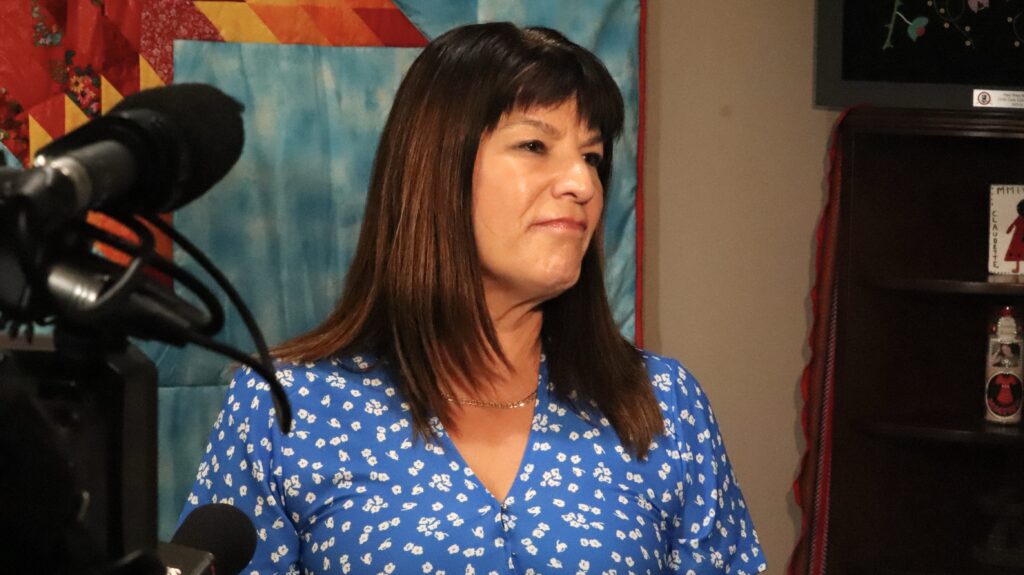
“We can’t treat people who aren’t alive,” said Bernadette Smith, Manitoba’s addictions minister. Smith said the day was bittersweet because she’s lost loved ones to the overdose crisis, and met with so many families that have also gone through loss or are supporting people through addiction.
“We have a lot of stigma around people who use drugs, and we really need to embrace and start working with them so that they can see themselves coming out of this, going into recovery, and really having hope,” she said.
The province partnered with the non-profit agency Aboriginal Health and Wellness to run the site, which will be open between Tuesday and Saturday from late morning to early evening. There will be eight staffers on site, including two nurses along with clinicians and mentors.
There are also wayfinders who will help people move on once they feel they aren’t a danger to themselves or others.
“Well, this is an initiative by the province of Manitoba,” said Mayor Gillingham. “They committed to opening this site. My hope certainly is that people will get help when they’re there. Not only will people be using there, but be connected to supports that they need. What I’m hoping and what I’m really expecting is now there should be less use on public streets.
“And now we see the police working with our community outreach partners, which is important to make sure that when they’re going in to crack down on open illegal drug use, they’re also doing it in a way that they can make sure that with the community partners they’re working with, that those partners can help those individuals get access to the services they need.”
Gillingham says more detox beds and long-term treatment is now needed, and he hopes to see additional funding coming from the provincial government.
Security concerns
The site in central Winnipeg has been criticized by some business owners and residents concerned about security. The building is mostly surrounded by auto repair shops, but it’s also a block from a playground and across from a banquet hall.
Joseph Fourre, the founder of the Singing Red Bear Foundation, has been advocating against the facility.
In his opinion, the area surrounding the site can attract drug dealers and create additional safety concerns for residents and businesses in the neighbourhood.
“In one word, disappointing,” he said. “We laid out what we thought should happen and it wasn’t listened to. My biggest concern right now is for the residents of North Logan.”
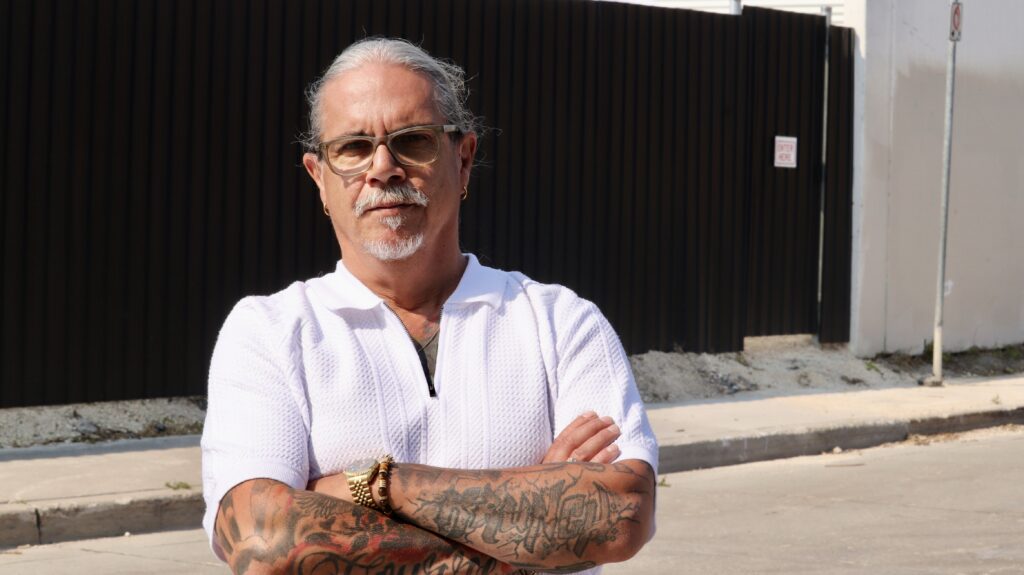
In response to the safety concerns, Smith said criminal activity will not be tolerated and police will be involved.
“The wayfinders they are going to be in the community supporting folks. But also they are a deterrent to any criminal activity in the community. We have 24-hour security that will be driving around as well.”
Opposition Progressive Conservatives have said the government should instead focus on treatment.
“We don’t have enough recovery or addiction treatment centres here in Manitoba,” said Jeff Bereza, deputy leader of the PCs.
He said the resources going to the supervised consumption site could have better gone to treatment because the delays are too long.
“If a person comes in there and takes a pamphlet… and they say that they want to get into treatment and recovery, how long is that going to take?”
–With files from The Canadian Press