Manitoba Animal Alliance on a mission to reunite wildfire evacuees with their beloved pet
Posted July 14, 2025 7:20 pm.
Over the past few months, thousands of residents in Northern Manitoba have had to make the very difficult decision to flee their homes, as wildfires surrounded their communities.
For pet owners, that decision was made more difficult by the fact that, in most cases, getting to safety meant leaving their beloved animals behind.
But amidst the chaos of this wildfire season, non-profits like the Manitoba Animal Alliance (MAA) have stepped up, rescuing those pets left behind and reuniting them with their families.
A beautiful moment, CityNews was lucky enough to witness last week, as we joined the MAA on a mission to Cross Lake.

“There is nowhere in the registration process that allows any information as to whether or not people have their pets with them, so that bottlenecks a lot of animals with nowhere to go,” said Debra Vanderkerhove, the founder of Manitoba Animal Alliance.
“We had a trip where we picked up 68 dogs, so we had approximately 140 in care during the first evacuation.”
In the weeks since Manitoba first called a State of Emergency in late May, MAA Founder Debra Vandekerkhove has been one of the few heading north towards the flames, risking her own well-being to provide assistance to the lives left behind.
On this occasion, Debra and her four-legged companion Ripley headed north to deliver thousands of pounds of dog food and to reunite Cookie, a senior black lab, with her Family in Cross Lake, who had been forced to evacuate weeks prior, never knowing if they would see their beloved pet again.
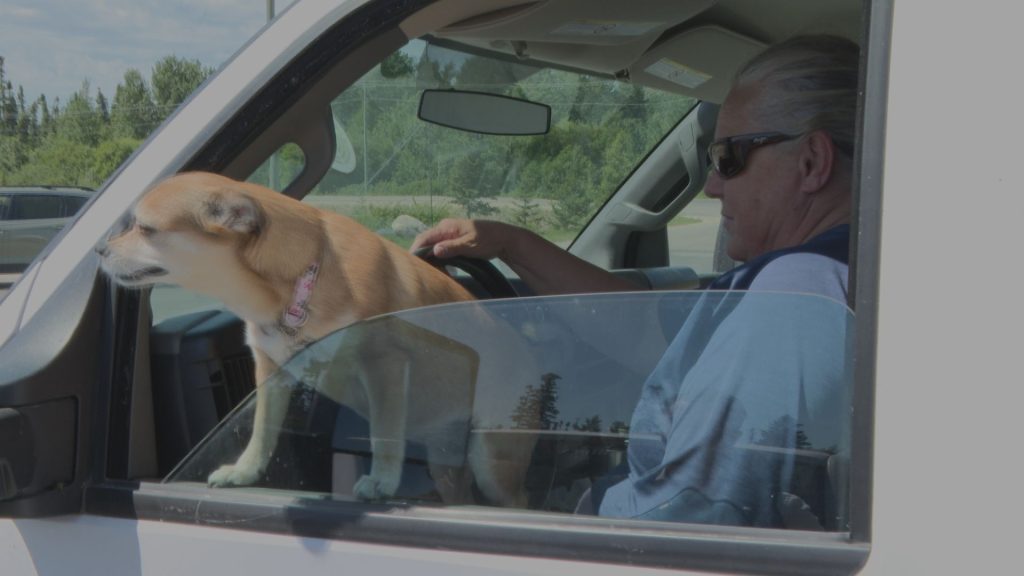
Creating an emotional reunion, once CityNews touched down in the community, eight hours north of Winnipeg.
Having spent many years in remote First Nation communities running spay and neuter programs, Vandekerkhove knows many of the animals the MAA has rescued this summer, making each and every reunion all the more special.
“We’ve known Cookie, for example, for at least eight years. So, when we are able to help them, especially with dogs that we have seen time after time in the clinics we provide in the community. We are very concerned about these animals, and we want to take care of them when they come to the city,” said Vandekerkhove.
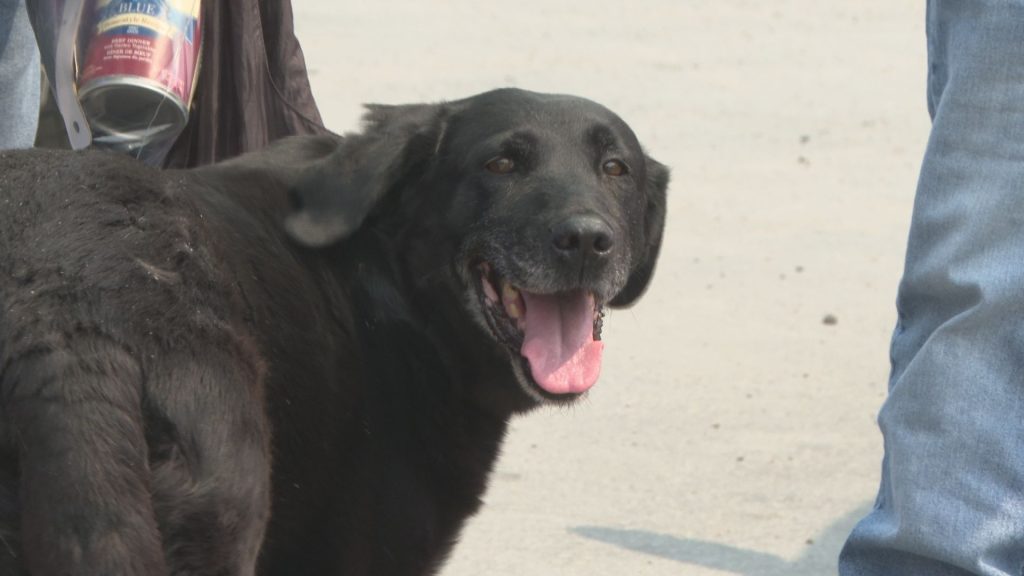
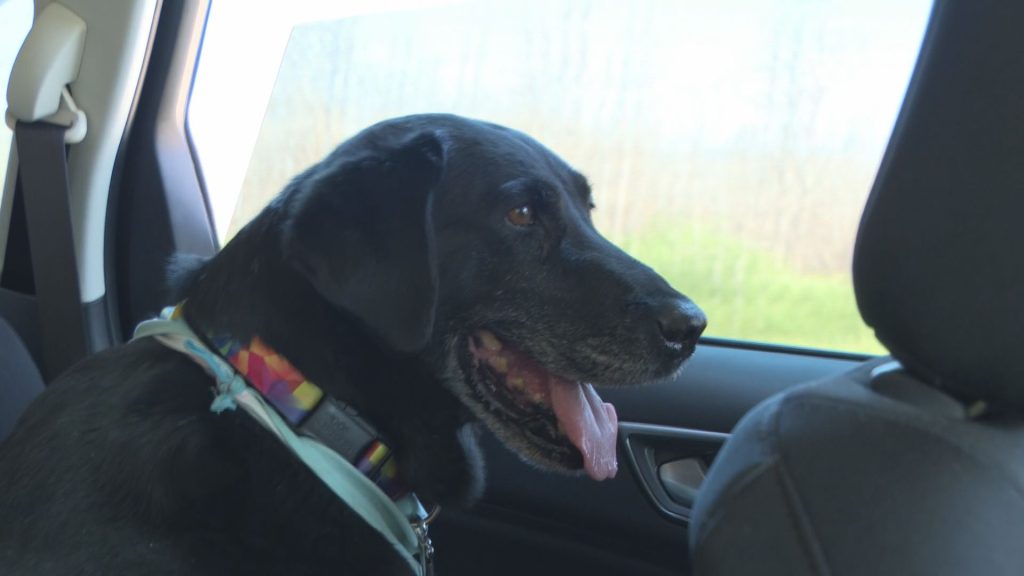

However, Indigenous families being separated from their pets is not a new issue, but one Debra says has been made far worse by the ongoing fire emergency. Prompting the MAA to call on the province to prioritize keeping families intact during these uncertain times.
“We are aware of animals being released at evacuation centres because they were not allowed inside, so it’s very problematic, and this has been going on for seven or eight years.
With further evacuations expected before the flames subside, Debra is urging anyone interested in fostering a pet in need to reach out to learn more.