Japanese Canadian community in Winnipeg gathers to mark World War 2 monument unveiling
Posted October 3, 2026 6:35 pm.
Last Updated October 4, 2026 9:50 am.
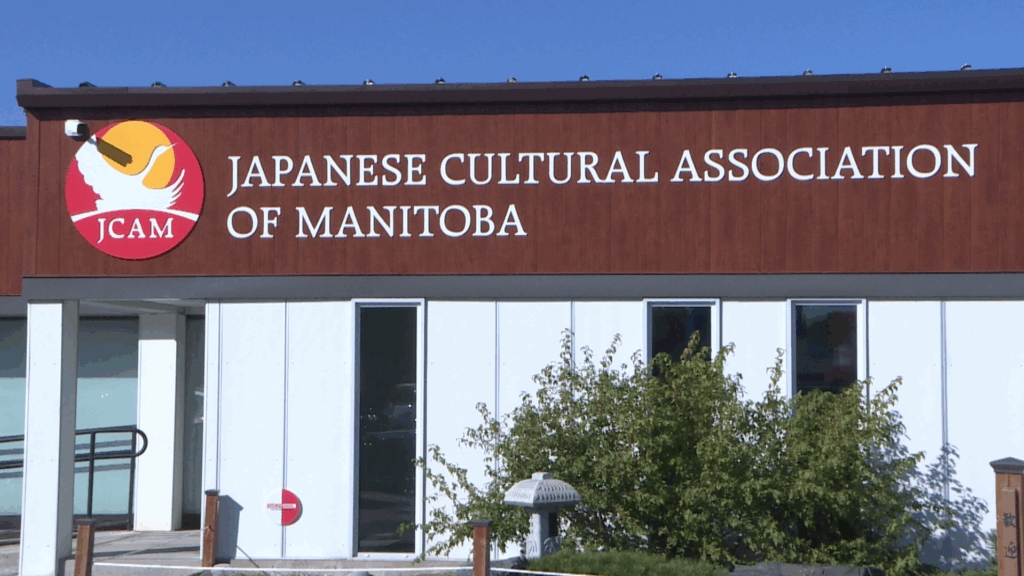
Winnipeg’s Japanese Canadian community members gathered to mark the opening of the new monument in British Columbia honouring the nearly 25,000 Japanese Canadians who were uprooted from their homes during World War 2.
“I was just happy that it is happening, that they are recognizing it,” Marlene Mori, seniors’ club president, Japanese Cultural Association of Manitoba.
“And all these names are going to be in a permanent location where they will be memorialized forever.”
Beginning in 1942, thousands of Japanese Canadians were forcibly removed from their homes and incarcerated or dispersed across Canada.
Most attendees were children at the time of uprooting in British Columbia.
Mori say it saddened to see that very few in Manitoba know the history of their uprooting, adding that it is important to learn that history lesson.
“To understand the kind of discrimination that was going on back then, what kinds of consequences it had,” Mori said. “It is very important. So we don’t repeat it again.”
Atsumi Odaguchi was only a child during the uprooting.
Her family spent four years in the Tashme interment camp, the largest for Japanese Canadians during World War 2.
Odaguchi says like many other families her parents never spoke about the reality of the camps.
“Those are the people who are affected the most,” Odaguchi said. “Not the little kids like me. But when I read about it afterwards, I think: ‘Thank God I was a little child.’”
Some of the attendees were supporting their family members and say such events help them to learn their untold family history
“I didn’t really learn about what happened to my grandmother until I was at the university and not through school,” said Sydney Christie, descendant of interment survivors.
“We have not been historically involved in our culture and our community and it’s because we were forced away from our people, our homes,” said another descendant of survivors Megan Wray.
As the monument officially opened in Victoria, 15 viewing parties were being held in communities across Canada.