Animal rights groups call on Manitoba to revoke Winnipeg’s ground squirrel poisoning permit
Posted March 19, 2026 5:46 pm.
Last Updated March 19, 2026 6:41 pm.
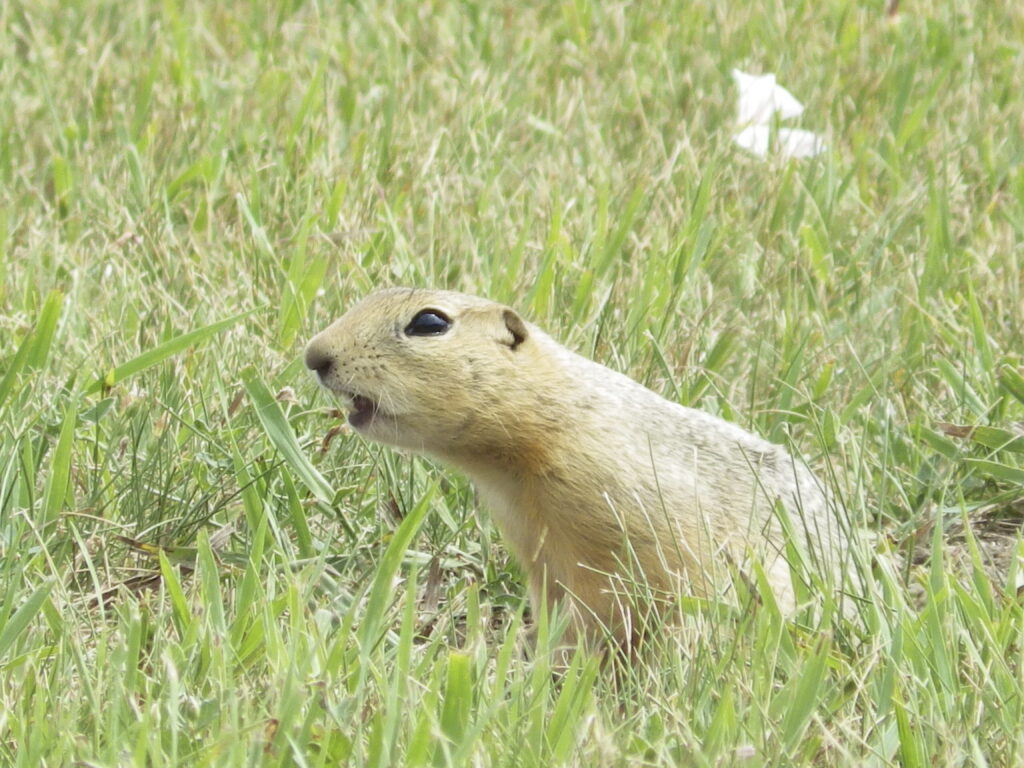
Animal rights groups gathered outside the Winnipeg City Hall and the Manitoba Legislative Building to call on province to revoke Winnipeg’s licence for poisoning ground squirrels calling the method extreme animal cruelty.
Both rallies come as a response to the province providing a permit to use rodenticides to kill Richardson’s ground squirrels
Kristy Zemanski, director of Project Artemis said, “The community is not happy. We are just going to keep complaining, we are going to be out there protesting.”
A protester at the rally said, “You wouldn’t do this to your pets at home, why would you do it to a little animal?”
Last year, citizens protested at city hall, and the province rejected the permit.
Danae Tonge, organizer, Manitoba Animal Save, said she was disappointed that the City came up with the plan just a year of the rejection.
Animal rights advocates say, the chemicals would not only cause suffering and death of ground squirrels but also may put other species at risk.
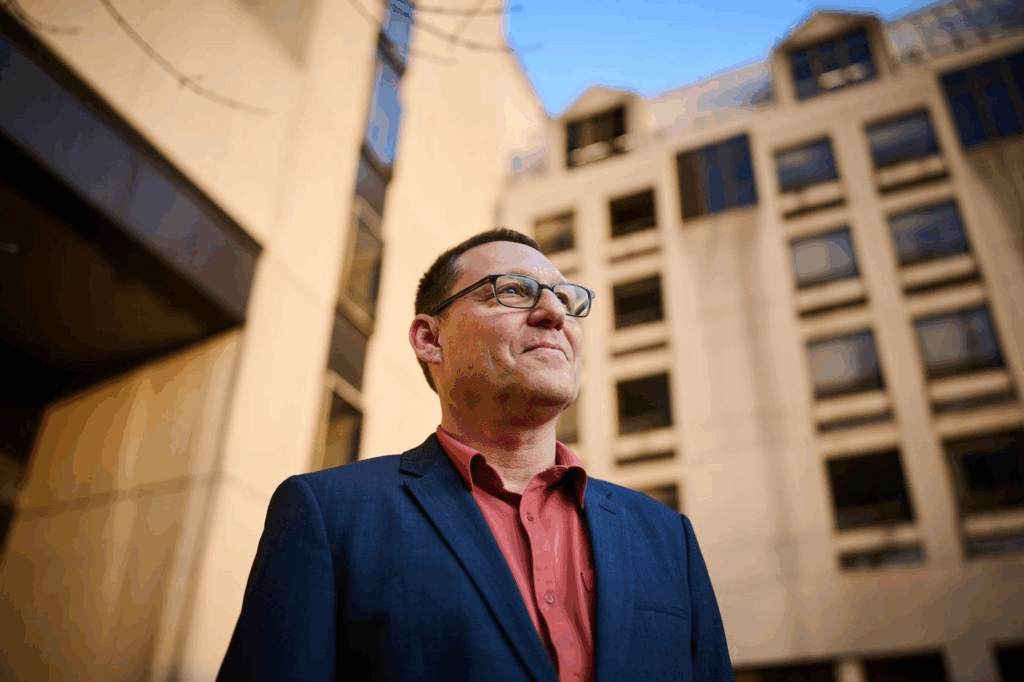
James Hare, professor emeritus of biological sciences, University of Manitoba, said that Rosol used for ground squirrel poisoning was an anticoagulant.
“It causes a slow and painful death to the animals that are ingesting it, but also causes damage to other species,” Hare explained.
Despite the animal advocates and experts sounding the alarm, the City of Winnipeg and the province defended the treatment.
City of Winnipeg said that chemical treatments pose limited risk to animals and humans.
In a statement, the province“The licensing decision is based on science, national regulatory standards, and Manitoba’s strong provincial safeguards. Both Rozol and RoCon are registered by Health Canada, which means they have undergone rigorous scientific evaluation to ensure they do not pose unacceptable risks when used as directed.”
However, animal rights advocates expressed concerns about dead animals in the park.
“The idea of us going to city park seeing disoriented ground squirrels, them bleeding from their eyeballs and other parts of their bodies,” said Kaitlyn Mitchell, director of legal advocacy, Animal Justice.
However, the City said its workers will monitor treatment sites daily and promptly remove any dead animals. They will also place signage at the treatment site a day before and after the treatment is done.
Tonge said the City and the province should come up with alternatives.
“We are just calling on the leadership from the city and the province at this point top come up with a humane solution,” Tonge said.