‘Snapshot in our climactic timeline’: Scientist studies viruses infecting algae in Lake Winnipeg
Posted February 11, 2026 5:24 pm.
Last Updated February 11, 2026 6:42 pm.
For the first time ever, a Winnipeg scientist is studying viruses in Lake Winnipeg — research which could change how we understand the lake’s health and what lies ahead.
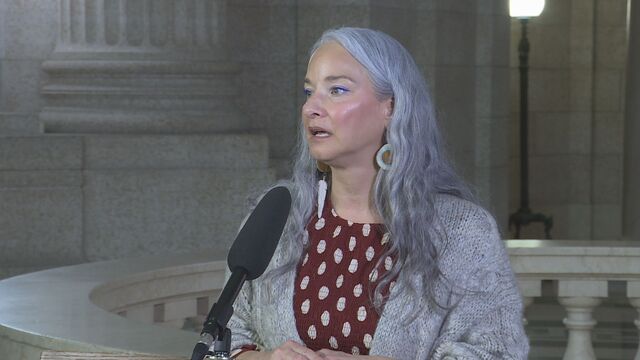
Emily Chase, a microbiologist and virologist at the University of Winnipeg since 2025, is leading a study on viruses that infect algae in Lake Winnipeg.
She says when people see algae, they think of the green layer that can cover parts of the lake in the summer. But algae are microscopic living organisms and just like people, they can be infected by viruses.
“If you got to a buffet and you have a lethal virus, it doesn’t matter how much food is available if it’s a fatal virus it doesn’t matter if there’s food, it’s the same for micro algae they might have nutrients around them, but if they are infected with a virus that kills them,” Chase says.

While those viruses don’t pose any risk to humans, they can change how algae grows, spreads, and dies, according to Chase.
She says that matters because if algae levels were to shift, that can ripple outward, affecting fish populations, water quality, tourism, and the overall balance of the ecosystem.
“If I went into a bloom scenario and took a sample, I could detect virus there and then I might be able to say this bloom may collapse in a certain amount of time,” Chase says.

Over the past year, Chase and her team have been collecting these water samples from across Lake Winnipeg to better understand how these tiny organisms interact, especially as warmer temperatures and changing conditions impact the lake.
“It is my hope by the end of the year some of this information will be publicly accessible for others and then year to year we will provide more data and collaborate with researchers international and nationally,” Chase says.