Bloodvein First Nation urges Manitoba to halt hunting tags on their land
Posted September 10, 2025 7:21 pm.
Last Updated September 11, 2025 4:23 pm.
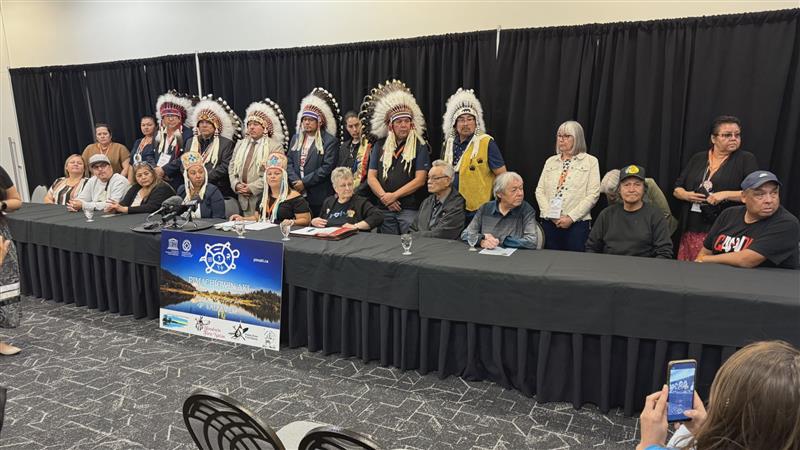
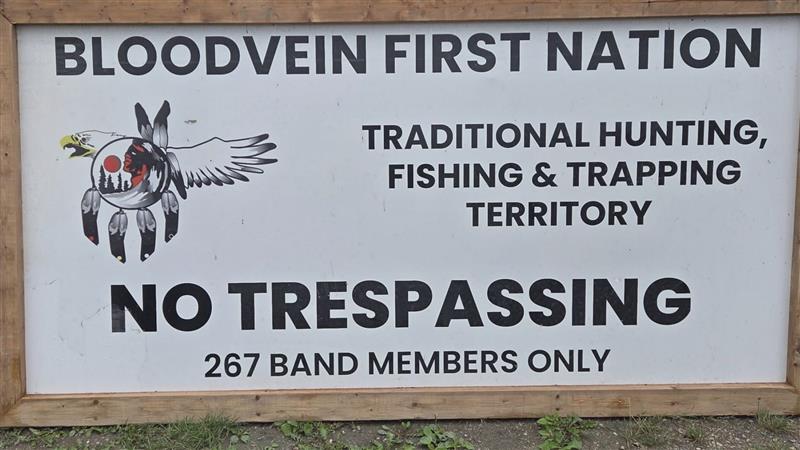
Backed by chiefs from across Manitoba, Bloodvein First Nation is calling on the province to stop issuing hunting tags on its traditional territory, saying overhunting is threatening wildlife and future generations. They say they’ve set up a check stop on the river to keep outsiders from coming in to hunt.
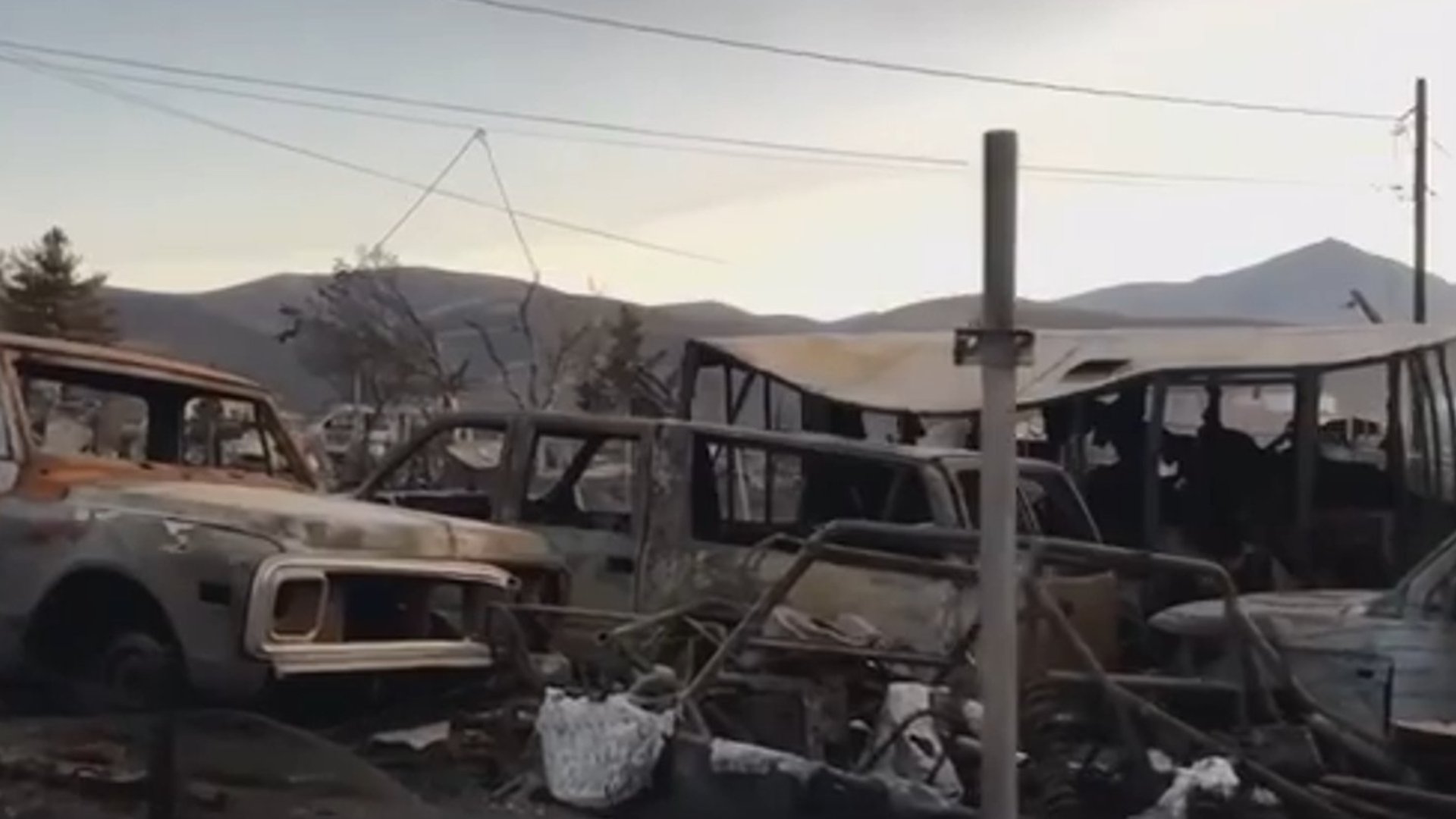
“It’s especially more important now that they withdraw those permits and those licenses, given the fact we have wildfires devastating our resources and wildlife habitat,” said David Monias, Pimicikamak Cree Nation.
The community has already passed laws banning non-First Nation members from hunting in the area, claiming that this year alone, the province issued 175 tags for their territory
“They are leaving the animals there sometimes completely intact, just shooting animals for fun and not respecting the sustainability of these animals we have and our resources,” said Grand Chief Kyra Wilson, Assembly of Manitoba Chiefs.
Chiefs across Manitoba detailed the ongoing risks and challenges that have arisen due to hunting tags on Bloodvein First Nation’s land.
“Treaty One Nations know how it is to have no protections, to see their last moose, in Broken Head, the last moose we saw was in the 90s, and they’re nonexistent now,” said Chief Gordon Bluesky, Brokenhead Ojibway Nation.
“We put up signs five years ago, stopping hunters from coming in, and it let us monitor our territory. We have trail cams and watch the animal count, and since we did that, our moose are coming back,” said Chief Sheldon Kent, Black River First Nation.
“I want to remind legal hunters that we are open to dialogue along with the province as well, but we are going to practice our sovereignty rights,” said Chief Kelvin Raven, Councillor, Bloodvein River First Nation.
The province wasn’t able to confirm how many tags were allocated to that territory, but they did confirm that there are 175 tags for the whole region, not just the Bloodvein River First Nation area.
“We rely on the moose, the caribou, and fish for food security to sustain ourselves, and yet we are being subjected to violent, racist comments,” said Chief Heidi Cook, Misipawistik Cree Nation.
Leaders also pushed back against people on social media who’ve threatened to come destroy a check stop in the community that was put in place, saying it’s not about blocking access but about protecting the land and wildlife.
“In no way are we trying to create a blockade; we are simply providing safety and stability,” said Chief Lisa Young, Bloodvein River First Nation.
“The check stop in Bloodvein isn’t necessarily for hunters, it’s for drugs and alcohol we have in our communities,” said Elder & Hunter Frank Young, Bloodvein River First Nation.
“I would encourage other First Nation leaders and communities to do the same, to take an active role in checking who are coming into our communities,” said Grand Chief Jerry Daniels, Southern Chiefs Organization.
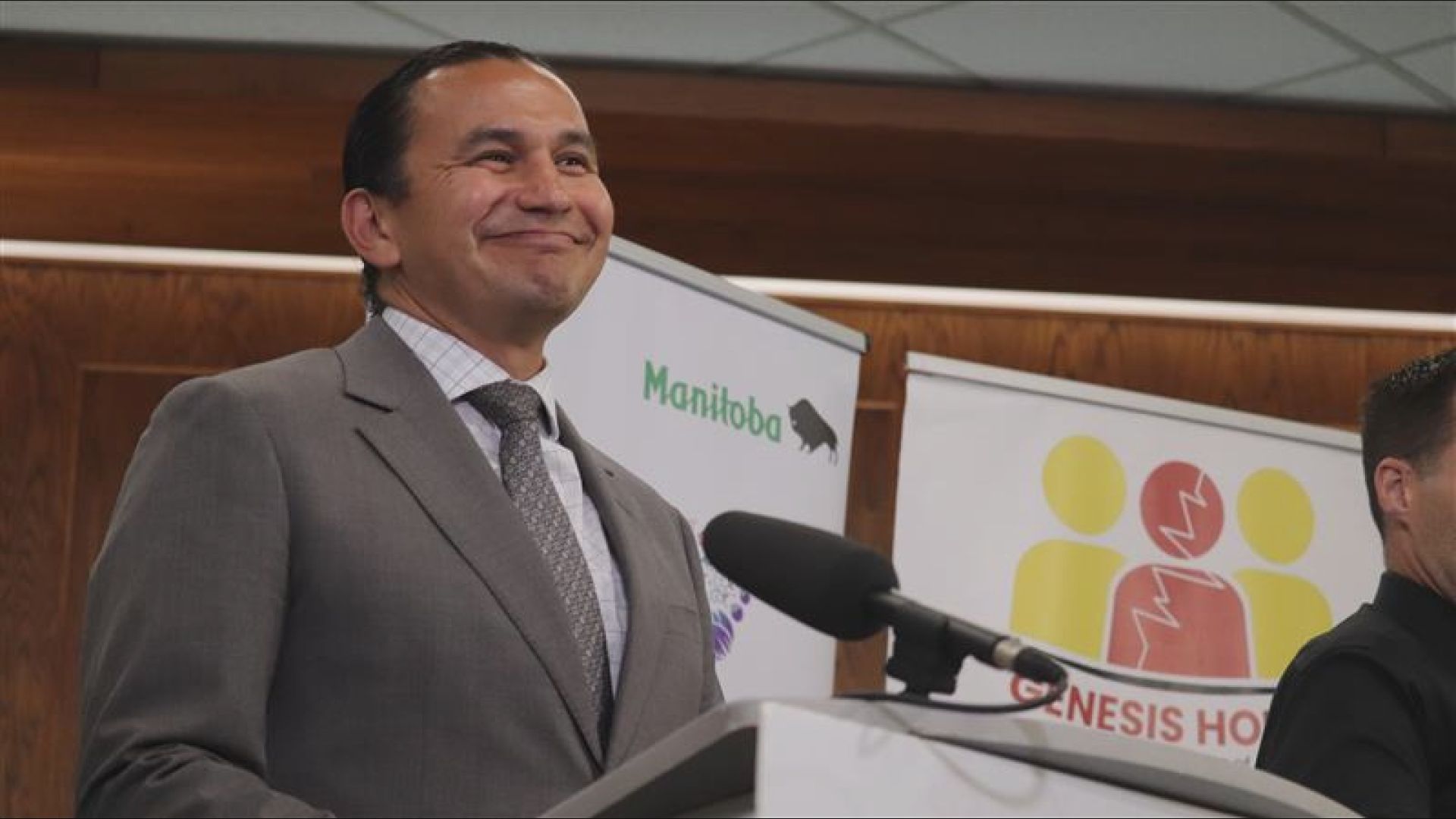
The Minister of Natural Resources and Indigenous Futures says the province is in ongoing conversations with the Chief and Council of Bloodvein First Nation, as well as the hunting community.
They say they are committed to continuing to work in partnership with Indigenous communities and hunters to support the long-term sustainability of moose, ensure safe and respectful hunting practices, and make sure that hunting, fishing, and trapping can continue for generations to come.