Manitoba man fights ‘unfair’ banishment from community

Posted July 29, 2025 7:24 pm.
Last Updated July 30, 2025 10:38 am.
A Manitoba man says he’s been unfairly barred from going home to his community.
Terry Francois is fighting a banishment order from Nisichawayasihk Cree Nation, where he grew up and his family lives.
“I’m being alienated. I’m being treated like as if I don’t belong there, and I grew up there all my life,” he said.
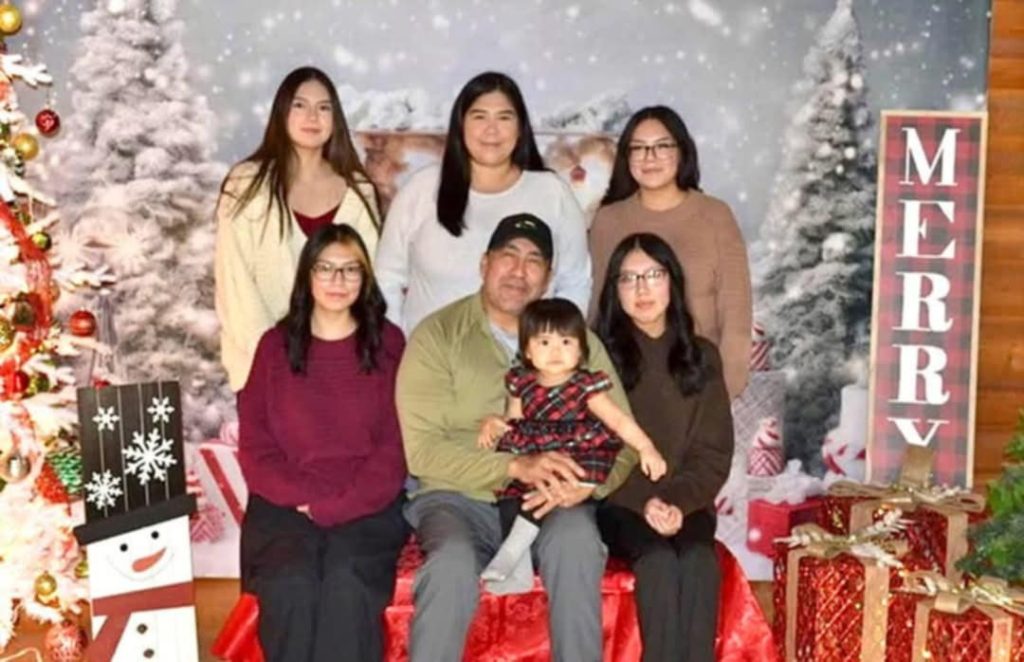
“I’m not a criminal. Not a drug dealer. None of that. I’m a father. I’m a single parent. I got five girls that I have raised since they were little girls.”
The order stems from a controversial checkstop that Francois says community members have fought against for years. Francois’ lawsuit alleges it goes too far and violates the Canadian Charter of Rights and Freedoms. However, Francois says he usually abides with officers there, except on Dec. 30 of 2024.
“They brought a dog. That is not even a certified canine RCMP dog. They brought a dog on a leash. And they said we’re going to let this dog sniff around… I said, ‘No way. I said that’s not happening. I just bought takeout for my girls, fresh takeout. I said it’s still warm. What do you think that dog’s going to do?” he explained.
He then drove through the checkstop, over a pylon. He says the checkstop staff called the RCMP, who then caught up with him but let him go. The next day, he claims they arrested him at his home and gave him a slew of charges.
Francois pleaded guilty to resisting a peace officer and an RCMP officer. The other charges were stayed. But he says he’s still not allowed back home.
“My girls are staying there, and they can’t even have their dad there. And it stresses me out. It’s been six months–seven months–without their dad at home. And I’m renting a place in Thompson so I can go to work.”
He’s now challenging Nisichawayasihk Cree Nation in court, claiming the decision was unfair and biased, stemming from a prior conflict between his family and the family of the community’s justice official. He further alleges they violated the Charter, without warning or due process.
“No trial, no nothing. No, ‘Go sit in front of the chief and council and try to work this out.’ No.”
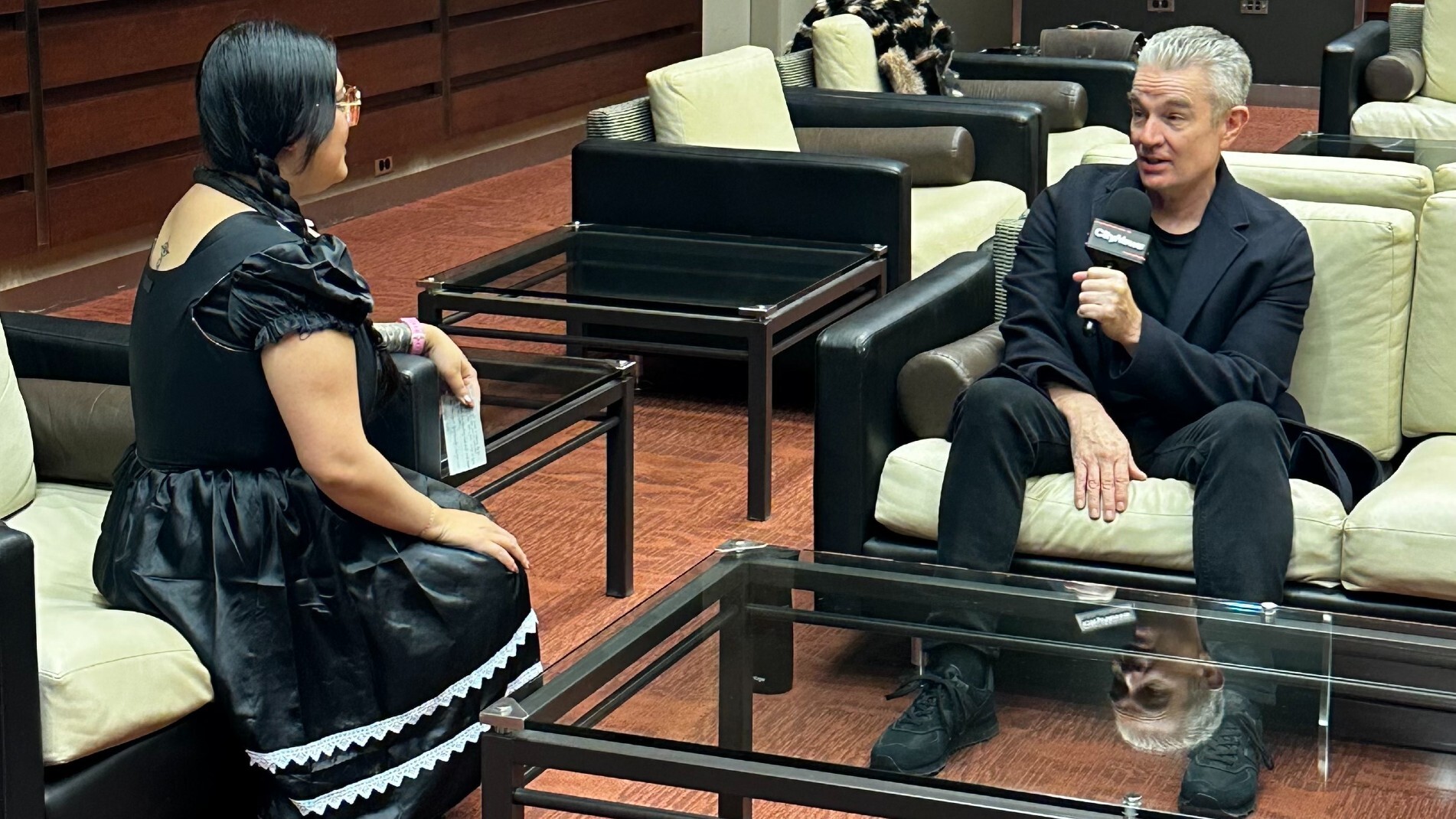
Marc Kruse, director of Indigenous Legal Learning and Services at the University of Manitoba and a criminal defence lawyer, says there doesn’t appear to be due process from either a common law perspective or from the Indigenous legal order side.
“There are recent cases out of Ontario and Manitoba that say there needs to be a due process, even if there is criminal charges and someone is criminally convicted, the First Nation still needs a process to ban or exile people from their nation, especially members of that First Nation,” said Kruse.
Kruse says there also needs to be clarity around those policies. He says that, in the past, that knowledge would have been passed down but was lost in colonization.
“Exile is really a last resort. Even in Indigenous law, there is exile that traditionally would have been done, but there would have been a healing process that would have been tried first. They would have brought family together. There would have been a lot of work done before just exile.”
Francois, who works as a miner in Snow Lake, is now paying to live temporarily in Thompson while his daughters and granddaughter live in his house in NCN.
“I miss my girls. I can’t even watch my grandbaby grow up. It’s horrible,” said Francois.
CityNews reached out to the Chief of NCN, Angela Levasseur, but did not hear back in time for publication.