Wildfires causing high risk air quality in Winnipeg and throughout Manitoba
Posted June 4, 2025 5:51 pm.
Last Updated June 5, 2025 9:24 am.
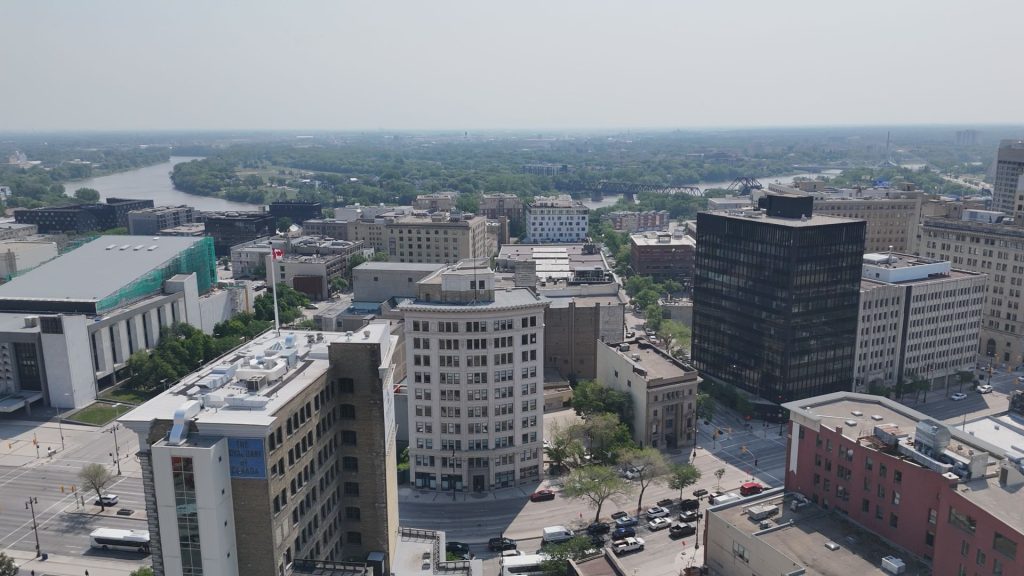
If you’ve walked outside in Winnipeg lately, you’ve probably noticed there’s a smell of smoke in the air.
The Government of Canada continues to issue a high-risk alert for several parts of the province.
And while it might not seem like a big issue to some, for those with respiratory diseases like asthma, the impact can be serious.
“In times of really bad air quality, like earlier today and this week, you’ll typically have difficulty breathing, shortness of breath. If you have underlying lung disease like asthma, COPD (Chronic Obstructive Pulmonary Disease), or what we call emphysema, you’ll possibly have worsening of your symptoms,” said Chris Pascoe, an associate professor of physiology and pathophysiology at the University of Manitoba.
Dr. Pascoe says that short-term impacts aren’t the only thing to worry about.
“What does this do to kids whose lungs are still developing, pregnant individuals whose babies are still developing, is there an increased risk for the disease long term, asthma, COPD, there’s some evidence that there I,s but we still need more research to really understand that,” he explained.
Roshini Kassie with Health Canada says the best way to avoid long and short-term impacts is to monitor the government’s air quality index before choosing to go outside, noting that air quality can change hour to hour depending on winds and weather.
“You know we do have the evidence to support that pregnant people could be more impacted by wildfire smoke,” said Kassie.
“Head inside, filter your air, use your portable air cleaner, and just keep checking the AQHI to know when it’s better air quality conditions outside and when you can resume going outside.”